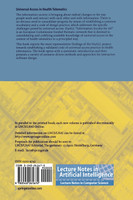
The Information Society is bringing about radical changes in the way people work and interact with each other and with information. In contrast to previous information processing paradigms, where the vast majority of computer-mediated tasks were business-oriented and executed by office workers using the personal computer in its various forms (i. e. , initially alphanumeric terminals and later on graphical user interfaces), the Information Society signifies a growth not only in the range and scope of the tasks, but also in the way in which they are carried out and experienced. To address the resulting dimensions of diversity, the notion of universal access is critically important. Universal access implies the accessibility and usability of Information Society technologies by anyone, anywhere, anytime. Universal access aims to enable equitable access and active participation of potentially all citizens in existing and emerging computer-mediated human activities by developing universally accessible and usable products and services, which are capable of accommodating individual user requirements in different contexts of use and independently of location, target machine, or run-time environment. In the context of the emerging Information Society, universal access becomes predominantly an issue of design, pointing to the compelling need for devising systematic and cost-effective approaches to designing systems that accommodate the requirements of the widest possible range of end-users. Recent developments have emphasized the need to consolidate progress by means of establishing a common vocabulary and a code of design practice, which addresses the specific challenges posed by universal access.
The Information Society is bringing about radical changes in the way people work and interact with each other and with information. In contrast to previous information processing paradigms, where the vast majority of computer-mediated tasks were business-oriented and executed by office workers using the personal computer in its various forms (i. e. , initially alphanumeric terminals and later on graphical user interfaces), the Information Society signifies a growth not only in the range and scope of the tasks, but also in the way in which they are carried out and experienced. To address the resulting dimensions of diversity, the notion of universal access is critically important. Universal access implies the accessibility and usability of Information Society technologies by anyone, anywhere, anytime. Universal access aims to enable equitable access and active participation of potentially all citizens in existing and emerging computer-mediated human activities by developing universally accessible and usable products and services, which are capable of accommodating individual user requirements in different contexts of use and independently of location, target machine, or run-time environment. In the context of the emerging Information Society, universal access becomes predominantly an issue of design, pointing to the compelling need for devising systematic and cost-effective approaches to designing systems that accommodate the requirements of the widest possible range of end-users. Recent developments have emphasized the need to consolidate progress by means of establishing a common vocabulary and a code of design practice, which addresses the specific challenges posed by universal access.
The challenge of widening access and participation in higher education in a manner that ensures students are successful in their studies is a major issue globally and a significant research-focus...
Discover your next great read at BookLoop, Australiand online bookstore offering a vast selection of titles across various genres and interests. Whether you're curious about what's trending or searching for graphic novels that captivate, thrilling crime and mystery fiction, or exhilarating action and adventure stories, our curated collections have something for every reader. Delve into imaginative fantasy worlds or explore the realms of science fiction that challenge the boundaries of reality. Fans of contemporary narratives will find compelling stories in our contemporary fiction section. Embark on epic journeys with our fantasy and science fiction titles,
Shop Trending Books and New Releases
Explore our new releases for the most recent additions in romance books, fantasy books, graphic novels, crime and mystery books, science fiction books as well as biographies, cookbooks, self help books, tarot cards, fortunetelling and much more. With titles covering current trends, booktok and bookstagram recommendations, and emerging authors, BookLoop remains your go-to local australian bookstore for buying books online across all book genres.
Shop Best Books By Collection
Stay updated with the literary world by browsing our trending books, featuring the latest bestsellers and critically acclaimed works. Explore titles from popular brands like Minecraft, Pokemon, Star Wars, Bluey, Lonely Planet, ABIA award winners, Peppa Pig, and our specialised collection of ADHD books. At BookLoop, we are committed to providing a diverse and enriching reading experience for all.
Sign In
your cart
Your cart is empty
Menu
Search
PRE-SALES
If you have any questions before making a purchase chat with our online operators to get more information.