The role of orthography in reading and writing is not a new topic of inquiry. For example, in 1970 Venezky made a seminal contribution with The Structure of English Orthography in which he showed how both sequential redundancy (probable and permissible letter sequences) and rules of letter-sound correspondence contribute to orthographic structure. In 1980 Ehri introduced the concept of orthographic images, that is, the representation of written words in memory, and proposed that the image is created by an amalgamation of the word's orthographic and phonological properties. In 1981 Taylor described the evolution of orthographies in writing systems-from the earliest logographies for pictorial representation of ideas to syllabaries for phonetic representation of sounds to alphabets for phonemic representation of sounds. In 1985 Frith proposed a stage model for the role of orthographic knowledge in development of word recognition: Initially in the logographic stage a few words can be recognized on the basis of partial spelling information; in the alphabetic stage words are. recognized on the basis of grapheme-phoneme correspondence; in the orthographic stage spelling units are recognized automatically without phonological mediation. For an historical overview of research on visual processing of written language spanning the earliest records of writing to the early work in experimental psychology, see Venezky (1993).
The role of orthography in reading and writing is not a new topic of inquiry. For example, in 1970 Venezky made a seminal contribution with The Structure of English Orthography in which he showed how both sequential redundancy (probable and permissible letter sequences) and rules of letter-sound correspondence contribute to orthographic structure. In 1980 Ehri introduced the concept of orthographic images, that is, the representation of written words in memory, and proposed that the image is created by an amalgamation of the word's orthographic and phonological properties. In 1981 Taylor described the evolution of orthographies in writing systems-from the earliest logographies for pictorial representation of ideas to syllabaries for phonetic representation of sounds to alphabets for phonemic representation of sounds. In 1985 Frith proposed a stage model for the role of orthographic knowledge in development of word recognition: Initially in the logographic stage a few words can be recognized on the basis of partial spelling information; in the alphabetic stage words are. recognized on the basis of grapheme-phoneme correspondence; in the orthographic stage spelling units are recognized automatically without phonological mediation. For an historical overview of research on visual processing of written language spanning the earliest records of writing to the early work in experimental psychology, see Venezky (1993).
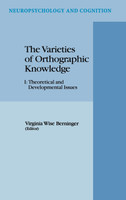
This volume unites spelling and word recognition -- two areas that have largely remained theoretically and empirically distinct. Despite considerable advances in the investigation of processes...
This work has been selected by scholars as being culturally important, and is part of the knowledge base of civilization as we know it. This work was reproduced from the original artifact, and...
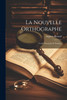
La Nouvelle Orthographe : Guide Théorique et Pratique est un ouvrage indispensable pour tous ceux qui cherchent à améliorer leur écriture et leur orthographe. Auguste Renard nous offre de nombreux...
Discover your next great read at BookLoop, Australiand online bookstore offering a vast selection of titles across various genres and interests. Whether you're curious about what's trending or searching for graphic novels that captivate, thrilling crime and mystery fiction, or exhilarating action and adventure stories, our curated collections have something for every reader. Delve into imaginative fantasy worlds or explore the realms of science fiction that challenge the boundaries of reality. Fans of contemporary narratives will find compelling stories in our contemporary fiction section. Embark on epic journeys with our fantasy and science fiction titles,
Shop Trending Books and New Releases
Explore our new releases for the most recent additions in romance books, fantasy books, graphic novels, crime and mystery books, science fiction books as well as biographies, cookbooks, self help books, tarot cards, fortunetelling and much more. With titles covering current trends, booktok and bookstagram recommendations, and emerging authors, BookLoop remains your go-to local australian bookstore for buying books online across all book genres.
Shop Best Books By Collection
Stay updated with the literary world by browsing our trending books, featuring the latest bestsellers and critically acclaimed works. Explore titles from popular brands like Minecraft, Pokemon, Star Wars, Bluey, Lonely Planet, ABIA award winners, Peppa Pig, and our specialised collection of ADHD books. At BookLoop, we are committed to providing a diverse and enriching reading experience for all.
Sign In
your cart
Your cart is empty
Menu
Search
PRE-SALES
If you have any questions before making a purchase chat with our online operators to get more information.