Trending Bestseller

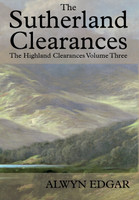
The Sutherland Clearances

The Highland Clearances Volume Three

Alwyn Edgar

No reviews yet Write a Review
Hardback
05 July 2022
$76.00
Ships in 3-5 business days
Hurry up! Current stock:

Before the Rebellion of Prince Charles in 1745, each Highland clan owned its own land. No one else, including the Government in Edinburgh, had the power to deprive them of it. (Travellers saw that in the mountains every crag was a new fortress for men defending their own country.) But the Highland Jacobite rebels having been defeated at Culloden and scattered, and the Lowland Government in Edinburgh now being much stronger since the Union with England in 1707, the British authorities decided to incorporate the Highlands into Great Britain in fact, as well as in theory. The anglophone legal system was successfully imposed, and the clan chiefs were made into landlords, owning all the land which had once belonged to their clans. Scots law now gave each chief-landlord the right (for any reason or no reason) to turn his entire clan out of their homes and farms, and keep the whole clan land as his private back garden, if he wanted. So when the new landlords realized that big grazing farms, for cattle or sheep, would make a lot of money, the clearances started. Well-to-do Highlanders, Lowlanders, even a few Englishmen, rented the clan lands; the chiefs evicted their folk; and the chief/landlord found his income shooting up over the years to five times or fifteen times what it had been (and there was no income tax!). Many of the evicted Highlanders were given an acre or two of worthless, barren land, and told to make it fertile: and when by donkey-work the crofters were able to grow a few potatoes, they had to pay rent for the value they themselves had created. Others - either immediately or after years of rack-rented drudgery on the croft - went to the Lowland factories, or abandoned Scotland entirely for arduous pioneering lives in North America (those who survived the journey).

The Earls of Sutherland were chiefs of the Sutherland clan, Murrays, MacKays, Sutherlands and others. Adam Gordon married a daughter of the Earl of Sutherland about 1500, and managed to cheat the rest of the family out of their land-charters. After that the Earls of Sutherland were Gordons. The 18th earl died in 1766 leaving a year-old daughter, Elizabeth Gordon, to succeed him. She inherited nearly two-thirds of the county of Sutherland, over 1250 square miles, an estate about the size of Gloucestershire. The long wars with France between 1793 and 1815 meant there was a desperate need of soldiers, such as the Sutherland small tenants could provide: but (despite being married to one of the richest men in England, the Marquis of Stafford) she wanted the much higher rents which big sheep farms would supply. (You can never have too much money.) She was indifferent to the fate of the small tenants - "a good many of them", would "inevitably be tossed out", she wrote; they would be "driven from their present dwellings by the sheep farms". She cleared her estate between 1807 and 1821, greatly increasing her rents. She and her husband became the Duke and Duchess of Sutherland.

The second greatest Sutherland landowner was Lord Reay, the chief of the Reay MacKay clan. Reay cleared his estate even before Elizabeth Gordon, beginning about 1800. (Thirteen smaller landlords owned the rest of the county, and rivalled the countess and Lord Reay with their own clearances.) Reay belonged to a London firm which provided finance to slave-traders, and spent most of his time in gambling dens and brothels. Having wasted vast amounts of money, he sold his estate to the Sutherlands in 1830, and bought a slave plantation in the West Indies. When the slaves were freed in 1833, like the other slave-owners he was compensated. (The slaves weren't.)

This product hasn't received any reviews yet. Be the first to review this product!

$76.00
Ships in 3-5 business days
Hurry up! Current stock:

The Sutherland Clearances

$76.00

Description

Before the Rebellion of Prince Charles in 1745, each Highland clan owned its own land. No one else, including the Government in Edinburgh, had the power to deprive them of it. (Travellers saw that in the mountains every crag was a new fortress for men defending their own country.) But the Highland Jacobite rebels having been defeated at Culloden and scattered, and the Lowland Government in Edinburgh now being much stronger since the Union with England in 1707, the British authorities decided to incorporate the Highlands into Great Britain in fact, as well as in theory. The anglophone legal system was successfully imposed, and the clan chiefs were made into landlords, owning all the land which had once belonged to their clans. Scots law now gave each chief-landlord the right (for any reason or no reason) to turn his entire clan out of their homes and farms, and keep the whole clan land as his private back garden, if he wanted. So when the new landlords realized that big grazing farms, for cattle or sheep, would make a lot of money, the clearances started. Well-to-do Highlanders, Lowlanders, even a few Englishmen, rented the clan lands; the chiefs evicted their folk; and the chief/landlord found his income shooting up over the years to five times or fifteen times what it had been (and there was no income tax!). Many of the evicted Highlanders were given an acre or two of worthless, barren land, and told to make it fertile: and when by donkey-work the crofters were able to grow a few potatoes, they had to pay rent for the value they themselves had created. Others - either immediately or after years of rack-rented drudgery on the croft - went to the Lowland factories, or abandoned Scotland entirely for arduous pioneering lives in North America (those who survived the journey).

The Earls of Sutherland were chiefs of the Sutherland clan, Murrays, MacKays, Sutherlands and others. Adam Gordon married a daughter of the Earl of Sutherland about 1500, and managed to cheat the rest of the family out of their land-charters. After that the Earls of Sutherland were Gordons. The 18th earl died in 1766 leaving a year-old daughter, Elizabeth Gordon, to succeed him. She inherited nearly two-thirds of the county of Sutherland, over 1250 square miles, an estate about the size of Gloucestershire. The long wars with France between 1793 and 1815 meant there was a desperate need of soldiers, such as the Sutherland small tenants could provide: but (despite being married to one of the richest men in England, the Marquis of Stafford) she wanted the much higher rents which big sheep farms would supply. (You can never have too much money.) She was indifferent to the fate of the small tenants - "a good many of them", would "inevitably be tossed out", she wrote; they would be "driven from their present dwellings by the sheep farms". She cleared her estate between 1807 and 1821, greatly increasing her rents. She and her husband became the Duke and Duchess of Sutherland.

The second greatest Sutherland landowner was Lord Reay, the chief of the Reay MacKay clan. Reay cleared his estate even before Elizabeth Gordon, beginning about 1800. (Thirteen smaller landlords owned the rest of the county, and rivalled the countess and Lord Reay with their own clearances.) Reay belonged to a London firm which provided finance to slave-traders, and spent most of his time in gambling dens and brothels. Having wasted vast amounts of money, he sold his estate to the Sutherlands in 1830, and bought a slave plantation in the West Indies. When the slaves were freed in 1833, like the other slave-owners he was compensated. (The slaves weren't.)

Customers Also Viewed

Buy Books Online at BookLoop

Discover your next great read at BookLoop, Australiand online bookstore offering a vast selection of titles across various genres and interests. Whether you're curious about what's trending or searching for graphic novels that captivate, thrilling crime and mystery fiction, or exhilarating action and adventure stories, our curated collections have something for every reader. Delve into imaginative fantasy worlds or explore the realms of science fiction that challenge the boundaries of reality. Fans of contemporary narratives will find compelling stories in our contemporary fiction section. Embark on epic journeys with our fantasy and science fiction titles,

Shop Trending Books and New Releases

Explore our new releases for the most recent additions in romance books, fantasy books, graphic novels, crime and mystery books, science fiction books as well as biographies, cookbooks, self help books, tarot cards, fortunetelling and much more. With titles covering current trends, booktok and bookstagram recommendations, and emerging authors, BookLoop remains your go-to local australian bookstore for buying books online across all book genres.

Shop Best Books By Collection

Stay updated with the literary world by browsing our trending books, featuring the latest bestsellers and critically acclaimed works. Explore titles from popular brands like Minecraft, Pokemon, Star Wars, Bluey, Lonely Planet, ABIA award winners, Peppa Pig, and our specialised collection of ADHD books. At BookLoop, we are committed to providing a diverse and enriching reading experience for all.