Trending Bestseller

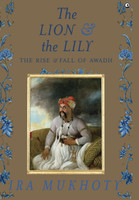
The Lion and The Lily

The Rise and Fall of Awadh

Ira Mukhoty

No reviews yet Write a Review
Hardback
10 July 2024
$86.00
Ships in 3-5 business days
Hurry up! Current stock:
Through the turbulent eighteenth century, Awadh grew to become one of the richest and most coveted regions in all of Hindustan. Although it was nominally ruled by the Mughal emperor in Delhi, the Mughal empire itself under Muhammad Shah 'Rangeeley', and later under Shah Alam II, was in terminal decline. The British and French East India Companies were vying for control of the subcontinent. As the Seven Years' War between these European powers came to an end, and the British lost territory in other parts of the world, they became more determined to seize power in India. Meanwhile, France began a 'war of revenge' against its old enemy to restore its prestige. The French Revolutionary wars (1792-99) and the Napoleonic wars (1803-1815) would lead to even greater volatility in India. French players continued to intrigue till the last quarter of the eighteenth century in various Indian courts. Awadh's rise to prominence began when Saadat Khan Burhan-ul-Mulk (r.1722-1739) was posted there by the Mughal emperor as a demotion for failing to quell a Jat rebellion. Undeterred, Saadat Khan and his successors worked relentlessly to bring stability and glory to the province. Shuja-ud-Daula (r.1754-1775), the third nawab, was widely considered the most powerful and courageous ruler of the time. But after the disastrous loss of the Mughal army at the Battle of Buxar (1764) Shuja was forced into an unsavoury alliance with the British. Despite this unfortunate development, Shuja worked hard to develop Awadh, and Faizabad in particular. Shuja's son, Asaf-ud-Daula (r.1775-1797), was a visionary and an exemplary diplomat, and his mother, Bahu Begum, a formidable force of nature. Asaf created a Shia renaissance that was a challenge to both Mughal Sunni power and the increasing parochialism of the EIC. His adopted son, Wazir Ali (r.1797-1798), was deposed by the British who then crowned his uncle Saadat Ali Khan (r.1798-1814) as a puppet ruler. In the treaty of 1801, Saadat Ali Khan ceded half of Awadh to the British East India Company and agreed to disband his troops in favour of an expensive British-run army. These and other developments would reduce Awadh to a shadow of its former glory within a couple of decades.<br><br>
Using Persian, English, and hitherto untranslated French sources as well as recent work by art historians, bestselling author Ira Mukhoty brings to focus the life and times of Awadh in the eighteenth century as well as some of the most important figures of the period-the nawabs, EIC officials such as Robert Clive, Warren Hastings, Richard Wellesley, as also the powerful begums, elite eunuchs, soldiers and adventurers, such as René Madec, Jean Baptiste Gentil, Claude Martin, Antoine Polier, artists both Indian and European, and others. <i>The Lion and the Lily</i> is a nuanced, detailed, and richly told account of the rise and fall of Awadh in the eighteenth century against the background of the international struggle between Britain and France.


This product hasn't received any reviews yet. Be the first to review this product!

$86.00
Ships in 3-5 business days
Hurry up! Current stock:

The Lion and The Lily

$86.00

Description

Through the turbulent eighteenth century, Awadh grew to become one of the richest and most coveted regions in all of Hindustan. Although it was nominally ruled by the Mughal emperor in Delhi, the Mughal empire itself under Muhammad Shah 'Rangeeley', and later under Shah Alam II, was in terminal decline. The British and French East India Companies were vying for control of the subcontinent. As the Seven Years' War between these European powers came to an end, and the British lost territory in other parts of the world, they became more determined to seize power in India. Meanwhile, France began a 'war of revenge' against its old enemy to restore its prestige. The French Revolutionary wars (1792-99) and the Napoleonic wars (1803-1815) would lead to even greater volatility in India. French players continued to intrigue till the last quarter of the eighteenth century in various Indian courts. Awadh's rise to prominence began when Saadat Khan Burhan-ul-Mulk (r.1722-1739) was posted there by the Mughal emperor as a demotion for failing to quell a Jat rebellion. Undeterred, Saadat Khan and his successors worked relentlessly to bring stability and glory to the province. Shuja-ud-Daula (r.1754-1775), the third nawab, was widely considered the most powerful and courageous ruler of the time. But after the disastrous loss of the Mughal army at the Battle of Buxar (1764) Shuja was forced into an unsavoury alliance with the British. Despite this unfortunate development, Shuja worked hard to develop Awadh, and Faizabad in particular. Shuja's son, Asaf-ud-Daula (r.1775-1797), was a visionary and an exemplary diplomat, and his mother, Bahu Begum, a formidable force of nature. Asaf created a Shia renaissance that was a challenge to both Mughal Sunni power and the increasing parochialism of the EIC. His adopted son, Wazir Ali (r.1797-1798), was deposed by the British who then crowned his uncle Saadat Ali Khan (r.1798-1814) as a puppet ruler. In the treaty of 1801, Saadat Ali Khan ceded half of Awadh to the British East India Company and agreed to disband his troops in favour of an expensive British-run army. These and other developments would reduce Awadh to a shadow of its former glory within a couple of decades.<br><br>
Using Persian, English, and hitherto untranslated French sources as well as recent work by art historians, bestselling author Ira Mukhoty brings to focus the life and times of Awadh in the eighteenth century as well as some of the most important figures of the period-the nawabs, EIC officials such as Robert Clive, Warren Hastings, Richard Wellesley, as also the powerful begums, elite eunuchs, soldiers and adventurers, such as René Madec, Jean Baptiste Gentil, Claude Martin, Antoine Polier, artists both Indian and European, and others. <i>The Lion and the Lily</i> is a nuanced, detailed, and richly told account of the rise and fall of Awadh in the eighteenth century against the background of the international struggle between Britain and France.

Customers Also Viewed

Buy Books Online at BookLoop

Discover your next great read at BookLoop, Australiand online bookstore offering a vast selection of titles across various genres and interests. Whether you're curious about what's trending or searching for graphic novels that captivate, thrilling crime and mystery fiction, or exhilarating action and adventure stories, our curated collections have something for every reader. Delve into imaginative fantasy worlds or explore the realms of science fiction that challenge the boundaries of reality. Fans of contemporary narratives will find compelling stories in our contemporary fiction section. Embark on epic journeys with our fantasy and science fiction titles,

Shop Trending Books and New Releases

Explore our new releases for the most recent additions in romance books, fantasy books, graphic novels, crime and mystery books, science fiction books as well as biographies, cookbooks, self help books, tarot cards, fortunetelling and much more. With titles covering current trends, booktok and bookstagram recommendations, and emerging authors, BookLoop remains your go-to local australian bookstore for buying books online across all book genres.

Shop Best Books By Collection

Stay updated with the literary world by browsing our trending books, featuring the latest bestsellers and critically acclaimed works. Explore titles from popular brands like Minecraft, Pokemon, Star Wars, Bluey, Lonely Planet, ABIA award winners, Peppa Pig, and our specialised collection of ADHD books. At BookLoop, we are committed to providing a diverse and enriching reading experience for all.