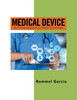
Pursuant to a congressional request, GAO reviewed the practice of single-use device (SUD) reprocessing in the United States, focusing on the: (1) extent of SUD reprocessing; (2) health risks associated SUD with reprocessing; (3) cost savings from reprocessing; and (4) Food and Drug Administration's (FDA) oversight of SUD reprocessing. GAO noted that: (1) while some health care institutions have chosen to reprocess and reuse some kinds of SUDs, accurate and comprehensive information about the number of facilities that use reprocessed SUDs and the types of SUDs that are reprocessed is not available; (2) surveys by professional associations and other groups have found that approximately 20 to 30 percent of American hospitals reported that they reuse at least one type of SUD and that at least one-third of the hospitals that do so contract with third-party reprocessing companies; (3) most hospitals using reprocessed SUDs reuse only a few types of devices; (4) it is likely that some hospitals do not report their use of reprocessed SUDs, and the estimates do not fully include ambulatory surgery centers or physicians' practices that also may reuse SUDs; (5) although SUD reprocessing does pose theoretical health risks, clinical evidence shows that certain devices can be reprocessed safely; (6) some infection control experts told GAO that the careful reprocessing of appropriate SUDs has not been demonstrated to be a public health risk; (7) GAO found that several reports of patient adverse events allegedly due to SUD reprocessing that GAO identified were inaccurate or not relevant to the debate; (8) however, this does not mean that SUD reprocessing is always safe; (9) current surveillance systems almost certainly do not detect all infections and injuries resulting from the use of reprocessed SUDs; (10) FDA, device manufacturers, and third-party reprocessors generally agree that many types of SUDs cannot be safely cleaned and sterilized, and even for devices that usually can be reprocessed, some models are impossible to clean and sterilize effectively; (11) substantial cost savings can be achieved by reprocessing SUDs; (12) independent reprocessing firms charge hospitals approximately one-half the price of a new device for a reprocessed device, while the in-house cost of reprocessing some devices can be less than 10 percent of the price of a new device; (13) under FDA's revised framework for SUD reprocessing, independent reprocessing firms and hospitals will have to obtain FDA's approval before they can reprocess many devices labelled for single-use; and (14) the revised regulatory framework will give FDA more information about SUD reprocessing and strengthen its oversight of reprocessing.
Pursuant to a congressional request, GAO reviewed the practice of single-use device (SUD) reprocessing in the United States, focusing on the: (1) extent of SUD reprocessing; (2) health risks associated SUD with reprocessing; (3) cost savings from reprocessing; and (4) Food and Drug Administration's (FDA) oversight of SUD reprocessing. GAO noted that: (1) while some health care institutions have chosen to reprocess and reuse some kinds of SUDs, accurate and comprehensive information about the number of facilities that use reprocessed SUDs and the types of SUDs that are reprocessed is not available; (2) surveys by professional associations and other groups have found that approximately 20 to 30 percent of American hospitals reported that they reuse at least one type of SUD and that at least one-third of the hospitals that do so contract with third-party reprocessing companies; (3) most hospitals using reprocessed SUDs reuse only a few types of devices; (4) it is likely that some hospitals do not report their use of reprocessed SUDs, and the estimates do not fully include ambulatory surgery centers or physicians' practices that also may reuse SUDs; (5) although SUD reprocessing does pose theoretical health risks, clinical evidence shows that certain devices can be reprocessed safely; (6) some infection control experts told GAO that the careful reprocessing of appropriate SUDs has not been demonstrated to be a public health risk; (7) GAO found that several reports of patient adverse events allegedly due to SUD reprocessing that GAO identified were inaccurate or not relevant to the debate; (8) however, this does not mean that SUD reprocessing is always safe; (9) current surveillance systems almost certainly do not detect all infections and injuries resulting from the use of reprocessed SUDs; (10) FDA, device manufacturers, and third-party reprocessors generally agree that many types of SUDs cannot be safely cleaned and sterilized, and even for devices that usually can be reprocessed, some models are impossible to clean and sterilize effectively; (11) substantial cost savings can be achieved by reprocessing SUDs; (12) independent reprocessing firms charge hospitals approximately one-half the price of a new device for a reprocessed device, while the in-house cost of reprocessing some devices can be less than 10 percent of the price of a new device; (13) under FDA's revised framework for SUD reprocessing, independent reprocessing firms and hospitals will have to obtain FDA's approval before they can reprocess many devices labelled for single-use; and (14) the revised regulatory framework will give FDA more information about SUD reprocessing and strengthen its oversight of reprocessing.
Medical Device Use Error: Root Cause Analysis offers practical guidance on how to methodically discover and explain the root cause of a use error-a mistake-that occurs when someone uses a medical...
This book is meant to be a guide to all who want to learn about a highly regulated industry. My approach is to give you, the reader, an example of a fictitious device, and we will take it from a...
The BiblioGov Project is an effort to expand awareness of the public documents and records of the U.S. Government via print publications. In broadening the public understanding of government and its...
Discover your next great read at BookLoop, Australiand online bookstore offering a vast selection of titles across various genres and interests. Whether you're curious about what's trending or searching for graphic novels that captivate, thrilling crime and mystery fiction, or exhilarating action and adventure stories, our curated collections have something for every reader. Delve into imaginative fantasy worlds or explore the realms of science fiction that challenge the boundaries of reality. Fans of contemporary narratives will find compelling stories in our contemporary fiction section. Embark on epic journeys with our fantasy and science fiction titles,
Shop Trending Books and New Releases
Explore our new releases for the most recent additions in romance books, fantasy books, graphic novels, crime and mystery books, science fiction books as well as biographies, cookbooks, self help books, tarot cards, fortunetelling and much more. With titles covering current trends, booktok and bookstagram recommendations, and emerging authors, BookLoop remains your go-to local australian bookstore for buying books online across all book genres.
Shop Best Books By Collection
Stay updated with the literary world by browsing our trending books, featuring the latest bestsellers and critically acclaimed works. Explore titles from popular brands like Minecraft, Pokemon, Star Wars, Bluey, Lonely Planet, ABIA award winners, Peppa Pig, and our specialised collection of ADHD books. At BookLoop, we are committed to providing a diverse and enriching reading experience for all.
Sign In
your cart
Your cart is empty
Menu
Search
PRE-SALES
If you have any questions before making a purchase chat with our online operators to get more information.