The foundation of quantitative genetics theory was developed during the last century and facilitated many successful breeding programs for cultivated plants and t- restrial livestock. The results have been almost universally impressive, and today nearly all agricultural production utilises genetically improved seed and animals. The aquaculture industry can learn a great deal from these experiences, because the basic theory behind selective breeding is the same for all species. The ?rst published selection experiments in aquaculture started in 1920 s to improve disease resistance in ?sh, but it was not before the 1970 s that the ?rst family based breeding program was initiated for Atlantic salmon in Norway by AKVAFORSK. Unfortunately, the subsequent implementation of selective breeding on a wider scale in aquaculture has been slow, and despite the dramatic gains that have been demonstrated in a number of species, less than 10% of world aquaculture production is currently based on improved stocks. For the long-term sustainability of aquaculture production, there is an urgent need to develop and implement e- cient breeding programs for all species under commercial production. The ability for aquaculture to successfully meet the demands of an ever increasing human p- ulation, will rely on genetically improved stocks that utilise feed, water and land resources in an ef?cient way. Technological advances like genome sequences of aquaculture species, and advanced molecular methods means that there are new and exciting prospects for building on these well-established methods into the future.
The foundation of quantitative genetics theory was developed during the last century and facilitated many successful breeding programs for cultivated plants and t- restrial livestock. The results have been almost universally impressive, and today nearly all agricultural production utilises genetically improved seed and animals. The aquaculture industry can learn a great deal from these experiences, because the basic theory behind selective breeding is the same for all species. The ?rst published selection experiments in aquaculture started in 1920 s to improve disease resistance in ?sh, but it was not before the 1970 s that the ?rst family based breeding program was initiated for Atlantic salmon in Norway by AKVAFORSK. Unfortunately, the subsequent implementation of selective breeding on a wider scale in aquaculture has been slow, and despite the dramatic gains that have been demonstrated in a number of species, less than 10% of world aquaculture production is currently based on improved stocks. For the long-term sustainability of aquaculture production, there is an urgent need to develop and implement e- cient breeding programs for all species under commercial production. The ability for aquaculture to successfully meet the demands of an ever increasing human p- ulation, will rely on genetically improved stocks that utilise feed, water and land resources in an ef?cient way. Technological advances like genome sequences of aquaculture species, and advanced molecular methods means that there are new and exciting prospects for building on these well-established methods into the future.
'Historians of genetics will find Wood and Orel's case compelling' Journal of the History of Biology
''... an interesting and a stimulating study.They have undertaken an impressive amount of research...
First Published in 1986, this book explores the application of Selection Indices in the process of plant breeding. Carefully compiled and filled with a vast repertoire of notes, diagrams, and...
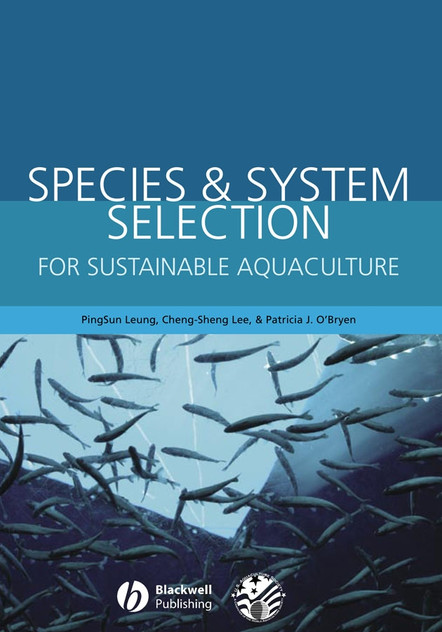
Published in Cooperation with THE UNITED STATES AQUACULTURE SOCIETY
As aquaculture production continues to grow and develop there is a continuous search for new species to culture to be able to...
Discover your next great read at BookLoop, Australiand online bookstore offering a vast selection of titles across various genres and interests. Whether you're curious about what's trending or searching for graphic novels that captivate, thrilling crime and mystery fiction, or exhilarating action and adventure stories, our curated collections have something for every reader. Delve into imaginative fantasy worlds or explore the realms of science fiction that challenge the boundaries of reality. Fans of contemporary narratives will find compelling stories in our contemporary fiction section. Embark on epic journeys with our fantasy and science fiction titles,
Shop Trending Books and New Releases
Explore our new releases for the most recent additions in romance books, fantasy books, graphic novels, crime and mystery books, science fiction books as well as biographies, cookbooks, self help books, tarot cards, fortunetelling and much more. With titles covering current trends, booktok and bookstagram recommendations, and emerging authors, BookLoop remains your go-to local australian bookstore for buying books online across all book genres.
Shop Best Books By Collection
Stay updated with the literary world by browsing our trending books, featuring the latest bestsellers and critically acclaimed works. Explore titles from popular brands like Minecraft, Pokemon, Star Wars, Bluey, Lonely Planet, ABIA award winners, Peppa Pig, and our specialised collection of ADHD books. At BookLoop, we are committed to providing a diverse and enriching reading experience for all.
Sign In
your cart
Your cart is empty
Menu
Search
PRE-SALES
If you have any questions before making a purchase chat with our online operators to get more information.