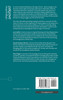
Following the turbulent events of the first few years of the 21st century, the growth of new security and disaster measures have led to significant changes to urban design and the management of urban space. This book blends the genealogical method of Foucault with the theory of rhythms by Lefebvre to examine these changes. The spatial history of urban disaster is linked to the rhythms of everyday urban experience to offer a revised understanding of the regulation of order and disorder in the city. In doing so, the book highlights issues of 'hardening' space, the drift from civil defence to civil protection to civil contingencies and resilience; this assessment realigns the potential impact of tightening security practices and resilient ways of thinking, doing and acting on societal security. This also links to growing concerns about quality of life over the use and potential abuse of security and disaster legislation for managing social unrest. Examples studied include the increased exclusion of minorities (such as young people) from democracy and public life; security oriented interventions in the ethnic minority communities, the use of automated technologies in policing civil and minor offences (e.g. digital plate recognition and speeding) and the interplay of diverse social groups in more commercially aligned and increasingly 'securitised' public spaces of the 'entrepreneurial' city. This book highlights many significant problems with the direction of British democracy and suggests there may be both positive and negative results from becoming more resilient. While providing a critical appraisal of the realignment of neoliberal democracy at large, it also links discussion on 'gentrification', 'revanchism' and 'urban security' to a forward looking agenda for further research.
Following the turbulent events of the first few years of the 21st century, the growth of new security and disaster measures have led to significant changes to urban design and the management of urban space. This book blends the genealogical method of Foucault with the theory of rhythms by Lefebvre to examine these changes. The spatial history of urban disaster is linked to the rhythms of everyday urban experience to offer a revised understanding of the regulation of order and disorder in the city. In doing so, the book highlights issues of 'hardening' space, the drift from civil defence to civil protection to civil contingencies and resilience; this assessment realigns the potential impact of tightening security practices and resilient ways of thinking, doing and acting on societal security. This also links to growing concerns about quality of life over the use and potential abuse of security and disaster legislation for managing social unrest. Examples studied include the increased exclusion of minorities (such as young people) from democracy and public life; security oriented interventions in the ethnic minority communities, the use of automated technologies in policing civil and minor offences (e.g. digital plate recognition and speeding) and the interplay of diverse social groups in more commercially aligned and increasingly 'securitised' public spaces of the 'entrepreneurial' city. This book highlights many significant problems with the direction of British democracy and suggests there may be both positive and negative results from becoming more resilient. While providing a critical appraisal of the realignment of neoliberal democracy at large, it also links discussion on 'gentrification', 'revanchism' and 'urban security' to a forward looking agenda for further research.
ForewordAcknowledgementsIntroduction1. Gathering the global adaptation community: Why adaptation? Why now?2. Describing impacts at the local level3. Frameworks for local action: Challenges and ...
This book focuses on the historical and contemporary responses of urban authorities to disaster and terrorism and what this means for citizens and society.
Discover your next great read at BookLoop, Australiand online bookstore offering a vast selection of titles across various genres and interests. Whether you're curious about what's trending or searching for graphic novels that captivate, thrilling crime and mystery fiction, or exhilarating action and adventure stories, our curated collections have something for every reader. Delve into imaginative fantasy worlds or explore the realms of science fiction that challenge the boundaries of reality. Fans of contemporary narratives will find compelling stories in our contemporary fiction section. Embark on epic journeys with our fantasy and science fiction titles,
Shop Trending Books and New Releases
Explore our new releases for the most recent additions in romance books, fantasy books, graphic novels, crime and mystery books, science fiction books as well as biographies, cookbooks, self help books, tarot cards, fortunetelling and much more. With titles covering current trends, booktok and bookstagram recommendations, and emerging authors, BookLoop remains your go-to local australian bookstore for buying books online across all book genres.
Shop Best Books By Collection
Stay updated with the literary world by browsing our trending books, featuring the latest bestsellers and critically acclaimed works. Explore titles from popular brands like Minecraft, Pokemon, Star Wars, Bluey, Lonely Planet, ABIA award winners, Peppa Pig, and our specialised collection of ADHD books. At BookLoop, we are committed to providing a diverse and enriching reading experience for all.
Sign In
your cart
Your cart is empty
Menu
Search
PRE-SALES
If you have any questions before making a purchase chat with our online operators to get more information.