1 Introduction 2 Historical Developments of Cell and Tissue Culture Techniques 3 Callus Cultures 3.1 Establishment of a Primary Culture from Explants of the Secondary Phloem of the Carrot Root 3.2 Fermenter Cultures 3.3 Immobilized Cell Cultures 3.4 Nutrient Media 3.5 Evaluation of Experiments 3.6 Maintenance of Strains, Cryopreservation 3.7 Some Physiological, Biochemical, and Histological Aspects 4 Cell Suspension Cultures 4.1 Methods to Establish a Cell Suspension 4.2 Cell Population Dynamics 5 Protoplast Cultures 5.1 Production of Protoplasts 5.2 Protoplast Fusion 6 Haploid Techniques 6.1 Application Possibilities 6.2 Physiological and Histological Background 6.3 Methods for Practical Application 6.4 Haploid Plants 7 Plant Propagation-Meristem Cultures, Somatic Embryogenesis 7.1 General Remarks, and Meristem Cultures 7.2 Protocols of Some Propagation Systems 7.2.1 In Vitro Propagation of Cymbidium 7.2.2 Meristem Cultures of Raspberries 7.2.3 In Vitro Propagation of Anthurium 7.3 Somatic Embryogenesis 7.3.1 Basics of Somatic Embryogenesis 7.3.2 Ontogenesis of Competent Cells 7.3.3 Genetic Aspects-DNA Organization 7.3.4 The Phytohormone System 7.3.5 The Protein System 7.3.6 Cell Cycle Studies 7.4 Practical Application of Somatic Embryogenesis 7.5 Artificial Seeds 7.6 Embryo Rescue 8 Some Endogenous and Exogenous Factors in Cell Culture Systems 8.1 Endogenous Factors 8.1.1 Genetic Influences 8.1.2 Physiological Status of 'Mother Tissue' 8.1.3 Growth Conditions of the 'Mother Plant' 8.2 Exogenous Factors 8.2.1 Growth Regulators 8.2.2 Nutritional Factors 8.2.2.1 Improvement of Nutrient Uptake by Transgenic Carrot Cultures 8.3 Physical Factors 9 Primary Metabolism 9.1 Carbon Metabolism 9.2Nitrogen Metabolism 10 Secondary Metabolism 10.1 Introduction 10.2 Mechanism of Production of Secondary Metabolites 10.3 Historical Background 10.4 Plant Cell Cultures and Pharmaceuticals, and Other Biologically Active Compounds 10.4.1 Antitumor Compounds 10.4.2 Anthocyanin Production 10.5 Strategies for Improvement of Metabolite Production 10.5.1 Addition of Precursors, and Biotransformations 10.5.2 Immobilization of Cells 10.5.3 Differentiation and Secondary Metabolite Production 10.5.4 Elicitation 10.5.4.1 Jasmonic Acid 10.5.4.2 Effect of UV on Production of Secondary Metabolites in Cultured Tissues 10.6 Organ Cultures 10.6.1 Shoot Cultures 10.6.2 Root Cultures 10.7 Genetic Engineering of Secondary Metabolites 10.8 Membrane Transport and Accumulation of Secondary Metabolites 10.9 Bioreactors 10.9.1 Technical Aspects of Bioreactor Systems 10.10 Prospects 11 Phytohormones and Growth Regulators 12 Cell Division, Cell Growth, Cell Differentiation 13 Genetic Problems and Gene Technology 13.1 Somaclonal Variations 13.1.1 Ploidy Stability 13.1.2 Some More Somaclonal Variations 13.2 Gene Technology 13.2.1 Transformation Techniques 13.2.1.1 Direct Gene Transfer 13.2.1.2 Agrobacterium-Mediated Gene Transformation 13.2.2 Selectable Marker Genes 13.2.2.1 Reporter Genes 13.2.2.2 Variants of GFP 13.2.3 ß-Glucuronidase (GUS) 13.2.3.1 Procedures for Assay of GUS Gene Expression 13.2.4 Antibiotics Resistance Genes 13.2.5 Elimination of Marker Genes 13.2.5.1 Cre-lox Recombination-Based Systems 13.2.5.2 Ac/Ds System 13.2.5.3 Double Cassette System 13.2.6 Agrobacterium-Mediated Transformation in Dicotyledonous Plants 13.2.6.1 Transgenic Carrot: Potential Source of Edible Vaccines 13.2.6.2 Cell Culture and Transformation Procedures 13.2.6.3 Uses of Transgenes to Increase Host Plant
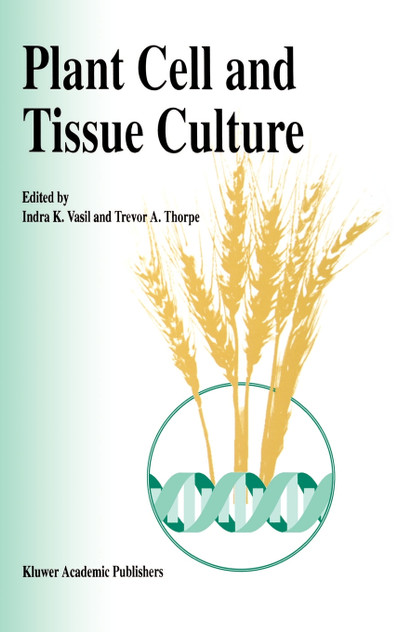
Plant Cell and Tissue Culture - A Tool in Biotechnology
RRP:
$455.00
Description
1 Introduction 2 Historical Developments of Cell and Tissue Culture Techniques 3 Callus Cultures 3.1 Establishment of a Primary Culture from Explants of the Secondary Phloem of the Carrot Root 3.2 Fermenter Cultures 3.3 Immobilized Cell Cultures 3.4 Nutrient Media 3.5 Evaluation of Experiments 3.6 Maintenance of Strains, Cryopreservation 3.7 Some Physiological, Biochemical, and Histological Aspects 4 Cell Suspension Cultures 4.1 Methods to Establish a Cell Suspension 4.2 Cell Population Dynamics 5 Protoplast Cultures 5.1 Production of Protoplasts 5.2 Protoplast Fusion 6 Haploid Techniques 6.1 Application Possibilities 6.2 Physiological and Histological Background 6.3 Methods for Practical Application 6.4 Haploid Plants 7 Plant Propagation-Meristem Cultures, Somatic Embryogenesis 7.1 General Remarks, and Meristem Cultures 7.2 Protocols of Some Propagation Systems 7.2.1 In Vitro Propagation of Cymbidium 7.2.2 Meristem Cultures of Raspberries 7.2.3 In Vitro Propagation of Anthurium 7.3 Somatic Embryogenesis 7.3.1 Basics of Somatic Embryogenesis 7.3.2 Ontogenesis of Competent Cells 7.3.3 Genetic Aspects-DNA Organization 7.3.4 The Phytohormone System 7.3.5 The Protein System 7.3.6 Cell Cycle Studies 7.4 Practical Application of Somatic Embryogenesis 7.5 Artificial Seeds 7.6 Embryo Rescue 8 Some Endogenous and Exogenous Factors in Cell Culture Systems 8.1 Endogenous Factors 8.1.1 Genetic Influences 8.1.2 Physiological Status of 'Mother Tissue' 8.1.3 Growth Conditions of the 'Mother Plant' 8.2 Exogenous Factors 8.2.1 Growth Regulators 8.2.2 Nutritional Factors 8.2.2.1 Improvement of Nutrient Uptake by Transgenic Carrot Cultures 8.3 Physical Factors 9 Primary Metabolism 9.1 Carbon Metabolism 9.2Nitrogen Metabolism 10 Secondary Metabolism 10.1 Introduction 10.2 Mechanism of Production of Secondary Metabolites 10.3 Historical Background 10.4 Plant Cell Cultures and Pharmaceuticals, and Other Biologically Active Compounds 10.4.1 Antitumor Compounds 10.4.2 Anthocyanin Production 10.5 Strategies for Improvement of Metabolite Production 10.5.1 Addition of Precursors, and Biotransformations 10.5.2 Immobilization of Cells 10.5.3 Differentiation and Secondary Metabolite Production 10.5.4 Elicitation 10.5.4.1 Jasmonic Acid 10.5.4.2 Effect of UV on Production of Secondary Metabolites in Cultured Tissues 10.6 Organ Cultures 10.6.1 Shoot Cultures 10.6.2 Root Cultures 10.7 Genetic Engineering of Secondary Metabolites 10.8 Membrane Transport and Accumulation of Secondary Metabolites 10.9 Bioreactors 10.9.1 Technical Aspects of Bioreactor Systems 10.10 Prospects 11 Phytohormones and Growth Regulators 12 Cell Division, Cell Growth, Cell Differentiation 13 Genetic Problems and Gene Technology 13.1 Somaclonal Variations 13.1.1 Ploidy Stability 13.1.2 Some More Somaclonal Variations 13.2 Gene Technology 13.2.1 Transformation Techniques 13.2.1.1 Direct Gene Transfer 13.2.1.2 Agrobacterium-Mediated Gene Transformation 13.2.2 Selectable Marker Genes 13.2.2.1 Reporter Genes 13.2.2.2 Variants of GFP 13.2.3 ß-Glucuronidase (GUS) 13.2.3.1 Procedures for Assay of GUS Gene Expression 13.2.4 Antibiotics Resistance Genes 13.2.5 Elimination of Marker Genes 13.2.5.1 Cre-lox Recombination-Based Systems 13.2.5.2 Ac/Ds System 13.2.5.3 Double Cassette System 13.2.6 Agrobacterium-Mediated Transformation in Dicotyledonous Plants 13.2.6.1 Transgenic Carrot: Potential Source of Edible Vaccines 13.2.6.2 Cell Culture and Transformation Procedures 13.2.6.3 Uses of Transgenes to Increase Host Plant
Plant Cell and Tissue Culture gives an exhaustive account of plant cell culture and genetic transformation, including detailed chapters on all major field and plantation crops. ...
Commercial development of cultured-derived food ingredients has attracted interna tional interest. As consumers have become more health conscious in recent years, the de mand for natural food...
This edited book presents recent developments in the field of plant biotechnology involving highly efficient micropropagation for the commercial exploitation of nanomaterials (such as silver, cobalt,...
Discover your next great read at BookLoop, Australiand online bookstore offering a vast selection of titles across various genres and interests. Whether you're curious about what's trending or searching for graphic novels that captivate, thrilling crime and mystery fiction, or exhilarating action and adventure stories, our curated collections have something for every reader. Delve into imaginative fantasy worlds or explore the realms of science fiction that challenge the boundaries of reality. Fans of contemporary narratives will find compelling stories in our contemporary fiction section. Embark on epic journeys with our fantasy and science fiction titles,
Shop Trending Books and New Releases
Explore our new releases for the most recent additions in romance books, fantasy books, graphic novels, crime and mystery books, science fiction books as well as biographies, cookbooks, self help books, tarot cards, fortunetelling and much more. With titles covering current trends, booktok and bookstagram recommendations, and emerging authors, BookLoop remains your go-to local australian bookstore for buying books online across all book genres.
Shop Best Books By Collection
Stay updated with the literary world by browsing our trending books, featuring the latest bestsellers and critically acclaimed works. Explore titles from popular brands like Minecraft, Pokemon, Star Wars, Bluey, Lonely Planet, ABIA award winners, Peppa Pig, and our specialised collection of ADHD books. At BookLoop, we are committed to providing a diverse and enriching reading experience for all.
Sign In
your cart
Your cart is empty
Menu
Search
PRE-SALES
If you have any questions before making a purchase chat with our online operators to get more information.