1 Introduction.- 1.1 The Intellectual Debate Until 1990.- 1.2 Progress During the Last Decade.- 1.3 Consequences for the Structure of the Book.- References.- 2 Competition in Well-Mixed Habitats: From Competitive Exclusion to Competitive Chaos.- 2.1 Introduction.- 2.2 Competition for a Single Abiotic Resource.- 2.2.1 Growth of a Single Species.- 2.2.2 Competitive Interactions.- 2.2.3 Competition for Light.- 2.3 Resource Storage.- 2.3.1 A Competition Model Based on Storage.- 2.3.2 Storage in a Constant Environment.- 2.3.3 Storage in a Variable Environment.- 2.4 Competition for a Single Biotic Resource.- 2.5 Competition for Two Resources.- 2.5.1 Essential vs. Substitutable Resources.- 2.5.2 Abiotic Resources.- 2.5.3 Biotic Resources.- 2.6 Competition for Three Resources.- 2.6.1 Competitive Oscillations.- 2.6.2 Competitive Chaos.- 2.7 Discussion.- References.- 3 Spatial Models of Competition.- 3.1 Introduction.- 3.2 Implicitly Spatial Models.- 3.2.1 Single Species Model.- 3.2.2 Two Species Models.- 3.2.3 Conclusion.- 3.3 Explicitly Spatial Models.- 3.3.1 Interacting Particle Systems.- 3.3.2 Point Process Models.- 3.3.3 Pair Approximation and Moment Methods.- 3.3.4 Reaction-Diffusion Models.- 3.4 Comparing and Connecting Methods.- 3.5 Underlying Spatial Heterogeneity.- 3.5.1 Reaction-Diffusion Models.- 3.5.2 Neighborhood Models.- 3.5.3 Patch Models.- 3.5.4 Conclusion.- 3.6 Competition and Coexistence.- 3.7 Future Directions.- 3.7.1 More Work on Environmental Heterogeneit.- 3.7.2 Combining Population and Ecosystem Perspectives.- 3.7.3 Competition for Light Among Terrestrial Plants.- 3.7.4 Evolution and Community Assembly.- References.- 4 Competition and Coexistence in Plankton Communities.- 4.1 Introduction.- 4.1.1 What Makes Plankton Competition Special?.- 4.1.2 The Chemostat as an Experimental System.- 4.2 Competition Experiments in Laboratory Microcosms.- 4.2.1 Competition Experiments Under Constant Conditions.- 4.2.2 Competition Experiments Under Temporally Variable Conditions.- 4.3 Experiments in Field Mesocosms.- 4.4 Tests of the Intermediate Disturbance Hypothesis by Field Data.- 4.5 Herbivory and Diversity.- 4.6 The Role of Abundance and of Seasonality.- 4.7 Conclusions.- References.- 5 Competition and Coexistence in Mobile Animals.- 5.1 Introduction.- 5.2 Competition Among Mobile Animals.- 5.3 Heterogeneity, Trade-Offs, and Competition.- 5.4 Scale and Heterogeneity.- 5.5 New Challenges.- References.- 6 Competition, Coexistence and Diversity on Rocky Shores.- 6.1 Introduction.- 6.1.1 What Distinguishes Rocky Shores from Other Communities?.- 6.1.2 Evolution of Competition Theory.- 6.2 Disruption of Competitive Exclusion: The Non-Equilibrium View.- 6.2.1 Keystone Predation and Herbivory.- 6.2.2 Strong vs. Weak Interactions.- 6.2.3 The Effects of Physical Disturbance.- 6.3 Coexistence Through Trade-Offs: The Equilibrium View.- 6.3.1 The Resource-Ratio Hypothesis.- 6.3.2 The Competitive Hierarchy Hypothesis.- 6.3.3 Intransitive Competitive Networks.- 6.4 Synthesis: Integrating the Effects of Competition, Consumption and Disturbance.- 6.4.1 Consumer vs. Resource Control of Species Diversity.- 6.4.2 An Integrated Competition Model.- 6.5 Conclusion.- 6.5.1 Unifying Competition Theory.- 6.5.2 Competition, Coexistence and the Human Impact.- References.- 7 Competition and Coexistence in Terrestrial Plants.- 7.1 Introduction.- 7.2 Competition.- 7.2.1 Resource Competition.- 7.2.2 For Which Resources Do Species Compete?.- 7.2.3 Physiological and Morphological Mechanisms of Competition.- 7.2.4 Competition Summary.- 7.3 Coexistence.- 7.3.1 Neutral Theory of Biodiversity.- 7.3.2 Spatial Heterogeneity.- 7.3.3 Competition-Colonization Trade-Off.- 7.3.4 Temporal Variability.- 7.3.5 Additional Trophic Level.- 7.3.6 Multiple Mechanisms of Coexistence and Limits to Diversity.- 7.3.7 Coexistence Summary.- 7.4 Conclusion.- References.- 8 Synthesis: Back to Santa Rosalia, or No Wonder There Are So Many Species.- 8.1 Trade-Offs.- 8.2 Disturbance,...
1 Introduction.- 1.1 The Intellectual Debate Until 1990.- 1.2 Progress During the Last Decade.- 1.3 Consequences for the Structure of the Book.- References.- 2 Competition in Well-Mixed Habitats: From Competitive Exclusion to Competitive Chaos.- 2.1 Introduction.- 2.2 Competition for a Single Abiotic Resource.- 2.2.1 Growth of a Single Species.- 2.2.2 Competitive Interactions.- 2.2.3 Competition for Light.- 2.3 Resource Storage.- 2.3.1 A Competition Model Based on Storage.- 2.3.2 Storage in a Constant Environment.- 2.3.3 Storage in a Variable Environment.- 2.4 Competition for a Single Biotic Resource.- 2.5 Competition for Two Resources.- 2.5.1 Essential vs. Substitutable Resources.- 2.5.2 Abiotic Resources.- 2.5.3 Biotic Resources.- 2.6 Competition for Three Resources.- 2.6.1 Competitive Oscillations.- 2.6.2 Competitive Chaos.- 2.7 Discussion.- References.- 3 Spatial Models of Competition.- 3.1 Introduction.- 3.2 Implicitly Spatial Models.- 3.2.1 Single Species Model.- 3.2.2 Two Species Models.- 3.2.3 Conclusion.- 3.3 Explicitly Spatial Models.- 3.3.1 Interacting Particle Systems.- 3.3.2 Point Process Models.- 3.3.3 Pair Approximation and Moment Methods.- 3.3.4 Reaction-Diffusion Models.- 3.4 Comparing and Connecting Methods.- 3.5 Underlying Spatial Heterogeneity.- 3.5.1 Reaction-Diffusion Models.- 3.5.2 Neighborhood Models.- 3.5.3 Patch Models.- 3.5.4 Conclusion.- 3.6 Competition and Coexistence.- 3.7 Future Directions.- 3.7.1 More Work on Environmental Heterogeneit.- 3.7.2 Combining Population and Ecosystem Perspectives.- 3.7.3 Competition for Light Among Terrestrial Plants.- 3.7.4 Evolution and Community Assembly.- References.- 4 Competition and Coexistence in Plankton Communities.- 4.1 Introduction.- 4.1.1 What Makes Plankton Competition Special?.- 4.1.2 The Chemostat as an Experimental System.- 4.2 Competition Experiments in Laboratory Microcosms.- 4.2.1 Competition Experiments Under Constant Conditions.- 4.2.2 Competition Experiments Under Temporally Variable Conditions.- 4.3 Experiments in Field Mesocosms.- 4.4 Tests of the Intermediate Disturbance Hypothesis by Field Data.- 4.5 Herbivory and Diversity.- 4.6 The Role of Abundance and of Seasonality.- 4.7 Conclusions.- References.- 5 Competition and Coexistence in Mobile Animals.- 5.1 Introduction.- 5.2 Competition Among Mobile Animals.- 5.3 Heterogeneity, Trade-Offs, and Competition.- 5.4 Scale and Heterogeneity.- 5.5 New Challenges.- References.- 6 Competition, Coexistence and Diversity on Rocky Shores.- 6.1 Introduction.- 6.1.1 What Distinguishes Rocky Shores from Other Communities?.- 6.1.2 Evolution of Competition Theory.- 6.2 Disruption of Competitive Exclusion: The Non-Equilibrium View.- 6.2.1 Keystone Predation and Herbivory.- 6.2.2 Strong vs. Weak Interactions.- 6.2.3 The Effects of Physical Disturbance.- 6.3 Coexistence Through Trade-Offs: The Equilibrium View.- 6.3.1 The Resource-Ratio Hypothesis.- 6.3.2 The Competitive Hierarchy Hypothesis.- 6.3.3 Intransitive Competitive Networks.- 6.4 Synthesis: Integrating the Effects of Competition, Consumption and Disturbance.- 6.4.1 Consumer vs. Resource Control of Species Diversity.- 6.4.2 An Integrated Competition Model.- 6.5 Conclusion.- 6.5.1 Unifying Competition Theory.- 6.5.2 Competition, Coexistence and the Human Impact.- References.- 7 Competition and Coexistence in Terrestrial Plants.- 7.1 Introduction.- 7.2 Competition.- 7.2.1 Resource Competition.- 7.2.2 For Which Resources Do Species Compete?.- 7.2.3 Physiological and Morphological Mechanisms of Competition.- 7.2.4 Competition Summary.- 7.3 Coexistence.- 7.3.1 Neutral Theory of Biodiversity.- 7.3.2 Spatial Heterogeneity.- 7.3.3 Competition-Colonization Trade-Off.- 7.3.4 Temporal Variability.- 7.3.5 Additional Trophic Level.- 7.3.6 Multiple Mechanisms of Coexistence and Limits to Diversity.- 7.3.7 Coexistence Summary.- 7.4 Conclusion.- References.- 8 Synthesis: Back to Santa Rosalia, or No Wonder There Are So Many Species.- 8.1 Trade-Offs.- 8.2 Disturbance,...
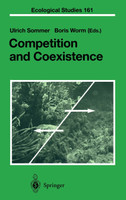
As a novel endeavour in ecological science, this book focuses on a major issue in organismal life on Earth:species coexistence. The book crosses the usual disciplinary boundaries between...
Discover your next great read at BookLoop, Australiand online bookstore offering a vast selection of titles across various genres and interests. Whether you're curious about what's trending or searching for graphic novels that captivate, thrilling crime and mystery fiction, or exhilarating action and adventure stories, our curated collections have something for every reader. Delve into imaginative fantasy worlds or explore the realms of science fiction that challenge the boundaries of reality. Fans of contemporary narratives will find compelling stories in our contemporary fiction section. Embark on epic journeys with our fantasy and science fiction titles,
Shop Trending Books and New Releases
Explore our new releases for the most recent additions in romance books, fantasy books, graphic novels, crime and mystery books, science fiction books as well as biographies, cookbooks, self help books, tarot cards, fortunetelling and much more. With titles covering current trends, booktok and bookstagram recommendations, and emerging authors, BookLoop remains your go-to local australian bookstore for buying books online across all book genres.
Shop Best Books By Collection
Stay updated with the literary world by browsing our trending books, featuring the latest bestsellers and critically acclaimed works. Explore titles from popular brands like Minecraft, Pokemon, Star Wars, Bluey, Lonely Planet, ABIA award winners, Peppa Pig, and our specialised collection of ADHD books. At BookLoop, we are committed to providing a diverse and enriching reading experience for all.
Sign In
your cart
Your cart is empty
Menu
Search
PRE-SALES
If you have any questions before making a purchase chat with our online operators to get more information.