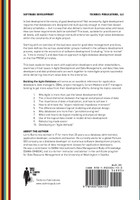
Is fast development the enemy of good development? Not necessarily. Agile development requires that databases are designed and built quickly enough to meet fast-based delivery schedules — but in a way that also delivers maximum business value and reuse. How can these requirements both be satisfied? This book, suitable for practitioners at all levels, will explain how to design and build enterprise-quality high-value databases within the constraints of an Agile project.
Starting with an overview of the business case for good data management practices, the book defines the various stakeholder groups involved in the software development process, explains the economics of software development (including “time to market” vs. “time to money”), and describes an approach to Agile database development based on the five PRISM principles.
This book explains how to work with application developers and other stakeholders, examines critical issues in Agile Development and Data Management, and describes how developers and data professionals can work together to make Agile projects successful while delivering maximum value data to the enterprise.
Building the Agile Database will serve as an excellent reference for application developers, data managers, DBAs, project managers, Scrum Masters and IT managers looking to get more value from their development efforts. Among the topics covered:
Why Agile is more than just the latest development fad
The critical distinction between the logical and physical views of data
The importance of data virtualization, and how to achieve it
How to eliminate the “object-relational impedance mismatch”
The difference between logical modeling and physical design
Why databases are more than “persistence engines”
When and how to do logical modeling and physical design
Use of the logical data model in model-driven development
Is fast development the enemy of good development? Not necessarily. Agile development requires that databases are designed and built quickly enough to meet fast-based delivery schedules — but in a way that also delivers maximum business value and reuse. How can these requirements both be satisfied? This book, suitable for practitioners at all levels, will explain how to design and build enterprise-quality high-value databases within the constraints of an Agile project.
Starting with an overview of the business case for good data management practices, the book defines the various stakeholder groups involved in the software development process, explains the economics of software development (including “time to market” vs. “time to money”), and describes an approach to Agile database development based on the five PRISM principles.
This book explains how to work with application developers and other stakeholders, examines critical issues in Agile Development and Data Management, and describes how developers and data professionals can work together to make Agile projects successful while delivering maximum value data to the enterprise.
Building the Agile Database will serve as an excellent reference for application developers, data managers, DBAs, project managers, Scrum Masters and IT managers looking to get more value from their development efforts. Among the topics covered:
Why Agile is more than just the latest development fad
The critical distinction between the logical and physical views of data
The importance of data virtualization, and how to achieve it
How to eliminate the “object-relational impedance mismatch”
The difference between logical modeling and physical design
Why databases are more than “persistence engines”
When and how to do logical modeling and physical design
Use of the logical data model in model-driven development
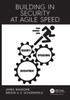
Today's high-speed and rapidly changing development environments demand equally high-speed security practices. Still, achieving security remains a human endeavor, a core part of designing, generating...
Discover your next great read at BookLoop, Australiand online bookstore offering a vast selection of titles across various genres and interests. Whether you're curious about what's trending or searching for graphic novels that captivate, thrilling crime and mystery fiction, or exhilarating action and adventure stories, our curated collections have something for every reader. Delve into imaginative fantasy worlds or explore the realms of science fiction that challenge the boundaries of reality. Fans of contemporary narratives will find compelling stories in our contemporary fiction section. Embark on epic journeys with our fantasy and science fiction titles,
Shop Trending Books and New Releases
Explore our new releases for the most recent additions in romance books, fantasy books, graphic novels, crime and mystery books, science fiction books as well as biographies, cookbooks, self help books, tarot cards, fortunetelling and much more. With titles covering current trends, booktok and bookstagram recommendations, and emerging authors, BookLoop remains your go-to local australian bookstore for buying books online across all book genres.
Shop Best Books By Collection
Stay updated with the literary world by browsing our trending books, featuring the latest bestsellers and critically acclaimed works. Explore titles from popular brands like Minecraft, Pokemon, Star Wars, Bluey, Lonely Planet, ABIA award winners, Peppa Pig, and our specialised collection of ADHD books. At BookLoop, we are committed to providing a diverse and enriching reading experience for all.
Sign In
your cart
Your cart is empty
Menu
Search
PRE-SALES
If you have any questions before making a purchase chat with our online operators to get more information.