The interpersonal strategies that surround the act of doing good science--hereafter referred to as scientific game play ing-have received some published attention, and many of the game rules are almost axiomatic among successful prac titioners of science. There is a need, however, to review pe riodically what we know and what we think we know about the art, and to add new insights that become available. This book is a response to that need; it has been written for science practitioners and grandstanders of the 1980s, drawing on in Sights and perceptions gained from victories and defeats of the 1970s. It seems especially important that the strategies and rules of scientific game playing be reviewed critically as we move into the decade of the 1980s, since many of those rules have changed during the 1970s--in fact each recent decade has seen significant changes. The 1950s were expansionist, when sci entific jobs were relatively easy to find, when faculties were expanding, when students were plentiful, and when federal grants were readily available. The 1960s began as a period of stabilization, and then became one of unrest and reexami nation of purpose. The climate was still good; students were v vi PREFACE still abundant, but there was less growth in faculty size, and federal grants reached a plateau. In the 1970s the student population started to decline, and federal funding for research began to dry up.
The interpersonal strategies that surround the act of doing good science--hereafter referred to as scientific game play ing-have received some published attention, and many of the game rules are almost axiomatic among successful prac titioners of science. There is a need, however, to review pe riodically what we know and what we think we know about the art, and to add new insights that become available. This book is a response to that need; it has been written for science practitioners and grandstanders of the 1980s, drawing on in Sights and perceptions gained from victories and defeats of the 1970s. It seems especially important that the strategies and rules of scientific game playing be reviewed critically as we move into the decade of the 1980s, since many of those rules have changed during the 1970s--in fact each recent decade has seen significant changes. The 1950s were expansionist, when sci entific jobs were relatively easy to find, when faculties were expanding, when students were plentiful, and when federal grants were readily available. The 1960s began as a period of stabilization, and then became one of unrest and reexami nation of purpose. The climate was still good; students were v vi PREFACE still abundant, but there was less growth in faculty size, and federal grants reached a plateau. In the 1970s the student population started to decline, and federal funding for research began to dry up.
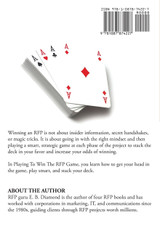
Playing To Win the RFP Game gives readers the insider secrets and game-changing strategies to win more government contracts and tenders. A Request for Proposal (RFP) is the document issued...
How To Play & Win The College Game is based on the curriculum for the award-winning Freshman Seminar Sharon Padilla-Alvarado designed at Cosumnes River College in Sacramento, California (which...
The critics are calling How To Play The Game Of Life And Win one of the best self-help books ever written. "Not since The Road Less Traveled Have I been so moved. John is evidence to me that Good...
Discover your next great read at BookLoop, Australiand online bookstore offering a vast selection of titles across various genres and interests. Whether you're curious about what's trending or searching for graphic novels that captivate, thrilling crime and mystery fiction, or exhilarating action and adventure stories, our curated collections have something for every reader. Delve into imaginative fantasy worlds or explore the realms of science fiction that challenge the boundaries of reality. Fans of contemporary narratives will find compelling stories in our contemporary fiction section. Embark on epic journeys with our fantasy and science fiction titles,
Shop Trending Books and New Releases
Explore our new releases for the most recent additions in romance books, fantasy books, graphic novels, crime and mystery books, science fiction books as well as biographies, cookbooks, self help books, tarot cards, fortunetelling and much more. With titles covering current trends, booktok and bookstagram recommendations, and emerging authors, BookLoop remains your go-to local australian bookstore for buying books online across all book genres.
Shop Best Books By Collection
Stay updated with the literary world by browsing our trending books, featuring the latest bestsellers and critically acclaimed works. Explore titles from popular brands like Minecraft, Pokemon, Star Wars, Bluey, Lonely Planet, ABIA award winners, Peppa Pig, and our specialised collection of ADHD books. At BookLoop, we are committed to providing a diverse and enriching reading experience for all.
Sign In
your cart
Your cart is empty
Menu
Search
PRE-SALES
If you have any questions before making a purchase chat with our online operators to get more information.