
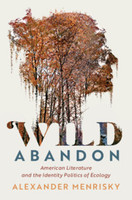
The American wilderness narrative, which divides nature from culture, has remained remarkably persistent despite the rise of ecological science, which emphasizes interconnection between these spheres. Wild Abandon considers how ecology's interaction with radical politics of authenticity in the twentieth century has kept that narrative alive in altered form. As ecology gained political momentum in the 1960s and 1970s, many environmentalists combined it with ideas borrowed from psychoanalysis and a variety of identity-based social movements. The result was an identity politics of ecology that framed ecology itself as an authentic identity position repressed by cultural forms, including social differences and even selfhood. Through readings of texts by Edward Abbey, Simon Ortiz, Toni Morrison, Margaret Atwood, and Jon Krakauer, among others, Alexander Menrisky argues that writers have both dramatized and critiqued this tendency, in the process undermining the concept of authenticity altogether and granting insight into alternative histories of identity and environment.
New York Times bestselling author Jennifer Ryan's page-turning Dark Horse Dive Bar series continues with this story of love shadowed by secrets and lies as a bar owner falls for an old friend, now a...
'There's something about abandoned places which captures the imagination,' says Jennifer Barclay as she walks with her dog and her backpack through the most deserted areas of the Dodecanese islands,...
A modern Everywoman, Cathy has endeared herself to millions of fans who share her daily struggles with the four basic guilt groups: Food, Love, Mother and Career. This comic page heroine blazed a...