Seminar paper from the year 2010 in the subject English Language and Literature Studies - Other, grade: 1,7, University of Osnabrück, course: Forging the American Mind - Literature, Philosophy and the Anticipation of Cognitive Science, language: English, abstract: Dreams can be seen as subjective phenomena that only become realities if we canremember their contents after waking. But how many of you remember your dreams and whydo we dream at all? - The first question can easily be answered: About 80% according to thestatistics (Jouvet 27). The answer to the second question, however, has puzzled humankindfor a long time and even today scientists do not agree on one explicit theory.In my term paper I will present various answers to the question of dreaming given bydifferent dream analysts. At first, I will give a short historical overview on the role of dreamsand how they have been seen in different societies. Whereas the Ancient Egypt and the bibleattributed a supernatural element to dreams, Aristotle introduced the psychological characterof dreams.The main work of my paper will be the analysis of three major perspectives on dreamtheories: The psychoanalytical, the biological, and the cognitive perspective. Freud arguedthat dreams express unconscious desires and underlying wishes which he termed the latentcontent. In contrast, Hobson & McCarley believe that dreams are created because of randomactivity in the brain during a certain state of sleep (REM). More recent studies done byStickgold try to be more precise. He argues that the brain is active during sleep because it triesto identify new connections to learn new things from old memory.In a final step, I will apply the different dream theories on a dream from the movie"Requiem for a Dream" (USA, 2000) in order to outline and compare their main features andto show what a dream can tell us about the personality and the life of the dreamer according tothe three perspectives.
Seminar paper from the year 2010 in the subject English Language and Literature Studies - Other, grade: 1,7, University of Osnabrück, course: Forging the American Mind - Literature, Philosophy and the Anticipation of Cognitive Science, language: English, abstract: Dreams can be seen as subjective phenomena that only become realities if we canremember their contents after waking. But how many of you remember your dreams and whydo we dream at all? - The first question can easily be answered: About 80% according to thestatistics (Jouvet 27). The answer to the second question, however, has puzzled humankindfor a long time and even today scientists do not agree on one explicit theory.In my term paper I will present various answers to the question of dreaming given bydifferent dream analysts. At first, I will give a short historical overview on the role of dreamsand how they have been seen in different societies. Whereas the Ancient Egypt and the bibleattributed a supernatural element to dreams, Aristotle introduced the psychological characterof dreams.The main work of my paper will be the analysis of three major perspectives on dreamtheories: The psychoanalytical, the biological, and the cognitive perspective. Freud arguedthat dreams express unconscious desires and underlying wishes which he termed the latentcontent. In contrast, Hobson & McCarley believe that dreams are created because of randomactivity in the brain during a certain state of sleep (REM). More recent studies done byStickgold try to be more precise. He argues that the brain is active during sleep because it triesto identify new connections to learn new things from old memory.In a final step, I will apply the different dream theories on a dream from the movie"Requiem for a Dream" (USA, 2000) in order to outline and compare their main features andto show what a dream can tell us about the personality and the life of the dreamer according tothe three perspectives.
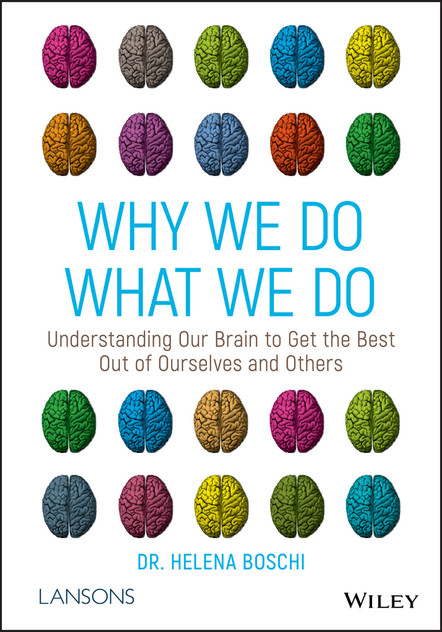
Practical tools and tips to lead a healthy and productive life The brain is the basis of everything we do: how we behave, communicate, feel, remember, pay attention, create, influence and decide. Why...
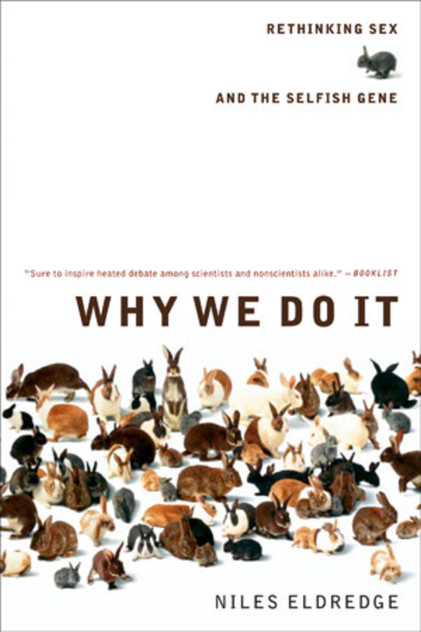
Why do people have sex? Is it solely for the purpose of passing on genetic information, or are there other reasons? "A candid, no-punches-pulled interpreter of the core ideas of evolutionary biology"...
Discover your next great read at BookLoop, Australiand online bookstore offering a vast selection of titles across various genres and interests. Whether you're curious about what's trending or searching for graphic novels that captivate, thrilling crime and mystery fiction, or exhilarating action and adventure stories, our curated collections have something for every reader. Delve into imaginative fantasy worlds or explore the realms of science fiction that challenge the boundaries of reality. Fans of contemporary narratives will find compelling stories in our contemporary fiction section. Embark on epic journeys with our fantasy and science fiction titles,
Shop Trending Books and New Releases
Explore our new releases for the most recent additions in romance books, fantasy books, graphic novels, crime and mystery books, science fiction books as well as biographies, cookbooks, self help books, tarot cards, fortunetelling and much more. With titles covering current trends, booktok and bookstagram recommendations, and emerging authors, BookLoop remains your go-to local australian bookstore for buying books online across all book genres.
Shop Best Books By Collection
Stay updated with the literary world by browsing our trending books, featuring the latest bestsellers and critically acclaimed works. Explore titles from popular brands like Minecraft, Pokemon, Star Wars, Bluey, Lonely Planet, ABIA award winners, Peppa Pig, and our specialised collection of ADHD books. At BookLoop, we are committed to providing a diverse and enriching reading experience for all.
Sign In
your cart
Your cart is empty
Menu
Search
PRE-SALES
If you have any questions before making a purchase chat with our online operators to get more information.