Building on a deep theoretical foundation and drawing on numerous examples, we examine how policies spread across the American states. We argue that for good policies to spread while bad policies are pushed aside, states must learn from one another. The three ingredients for this positive outcome are observable experiments, time to learn, and favorable incentives and expertise among policymakers. Although these ingredients are sometimes plentiful, we also note causes for concern, such as when policies are complex or incompatible with current practices, when policymakers give in to underlying political biases, or when political institutions lack the capacity for cultivating expertise. Under such conditions, states may rely on competition, imitation, and coercion, rather than learning, which can allow bad policies, rather than good ones, to spread. We conclude with lessons for reformers and policymakers and an assessment of our overall argument based on state responses to the COVID-19 pandemic.
Even when you know better, sometimes it's simply too tempting...Hospital work isn't for the faint of heart. Becca Dillon knows that firsthand, having worked as a medical assistant in the cardiac unit...
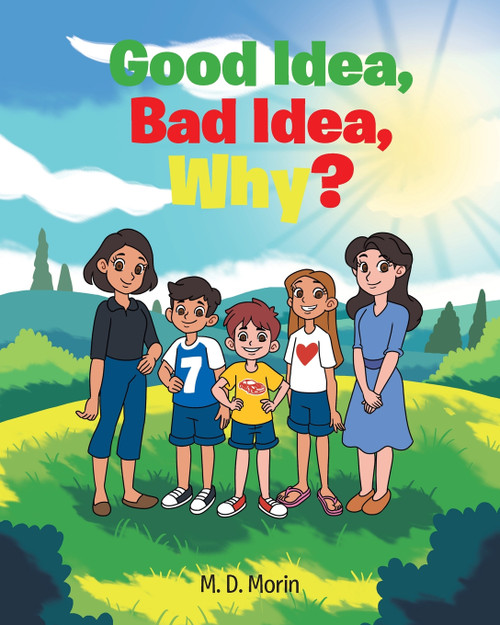
Good Idea, Bad Idea, Why? is a children's safety book that helps raise safety awareness to parents and children. It is very heartbreaking to hear about children being hurt or losing their lives over...
Even well-meaning parents can, through lack of awareness, neglect their children's most basic needs. And neglect can take many forms-from overindulgence to lack of communications. E. Kent Hayes has...