This study examines Wallace Stevens' ideas and practice of poetic language with a focus on the 1930s, an era in which Stevens persistently thematized a keenly felt pressure for the possible social involvement and political utility of poetic language. The argument suggests how mutually implicated elements of his poetry such as diction, prosody and metaphor are relied on to signify or enact aesthetic closure; both in the negative terms of expressive impotence and unethical isolation and the positive ones of imaginative and linguistic change. In this respect, the study deals closely with the epistemologically and ethically fraught issue of the ambiguous and volatile role of non-semantic elements and linguistic difficulty in Stevens' language. Assuming that these facets are not exclusive to this period but receive a very clear, and therefore instructive, formulation in it, the discussion outlines some of Stevens' most central tropes for poetic creativity at this stage of his career, suggesting ways in which they came to form part of his later discourse on poetic functionality, when polemical concepts for the imagination, such as "evasion" and "escapism," became central. Stevens' prosody is discussed from within an eclectic analytical framework in which cumulative rhythmics is complemented by traditional metrics as a way of doing justice to his rich, varied and cognitively volatile use of verse language. The expressive potency of prosodic patterning is understood both as an effect of its resistance to semantic interpretation and by assuming a formal drive to interpret them in relation to the semantic and metaphoric staging of individual poems. A poem, in turn, is understood both as a strategic, stylistically deviant response to the challenges of a particular historical moment, and as an attempt to communicate through creating a sense of linguistic resistance and otherness.
Wallace Stevens and the Realities of Poetic Language
RRP:
$79.00
Description
This study examines Wallace Stevens' ideas and practice of poetic language with a focus on the 1930s, an era in which Stevens persistently thematized a keenly felt pressure for the possible social involvement and political utility of poetic language. The argument suggests how mutually implicated elements of his poetry such as diction, prosody and metaphor are relied on to signify or enact aesthetic closure; both in the negative terms of expressive impotence and unethical isolation and the positive ones of imaginative and linguistic change. In this respect, the study deals closely with the epistemologically and ethically fraught issue of the ambiguous and volatile role of non-semantic elements and linguistic difficulty in Stevens' language. Assuming that these facets are not exclusive to this period but receive a very clear, and therefore instructive, formulation in it, the discussion outlines some of Stevens' most central tropes for poetic creativity at this stage of his career, suggesting ways in which they came to form part of his later discourse on poetic functionality, when polemical concepts for the imagination, such as "evasion" and "escapism," became central. Stevens' prosody is discussed from within an eclectic analytical framework in which cumulative rhythmics is complemented by traditional metrics as a way of doing justice to his rich, varied and cognitively volatile use of verse language. The expressive potency of prosodic patterning is understood both as an effect of its resistance to semantic interpretation and by assuming a formal drive to interpret them in relation to the semantic and metaphoric staging of individual poems. A poem, in turn, is understood both as a strategic, stylistically deviant response to the challenges of a particular historical moment, and as an attempt to communicate through creating a sense of linguistic resistance and otherness.
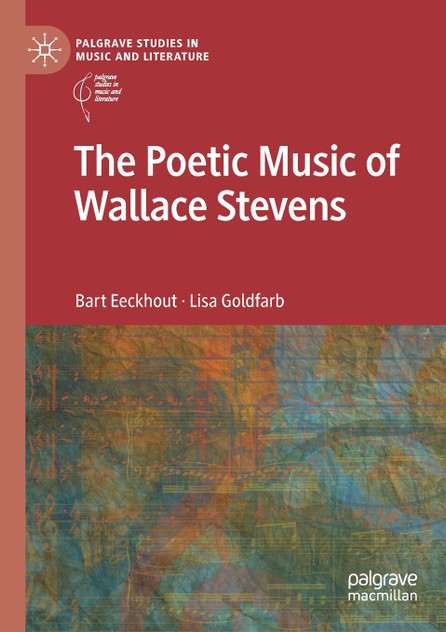
Wallace Stevens's musicality is so profound that scholars have only begun to grasp his ties to the art of music or the music of his own poetry. In this study, two long-time specialists present a...
Discover your next great read at BookLoop, Australiand online bookstore offering a vast selection of titles across various genres and interests. Whether you're curious about what's trending or searching for graphic novels that captivate, thrilling crime and mystery fiction, or exhilarating action and adventure stories, our curated collections have something for every reader. Delve into imaginative fantasy worlds or explore the realms of science fiction that challenge the boundaries of reality. Fans of contemporary narratives will find compelling stories in our contemporary fiction section. Embark on epic journeys with our fantasy and science fiction titles,
Shop Trending Books and New Releases
Explore our new releases for the most recent additions in romance books, fantasy books, graphic novels, crime and mystery books, science fiction books as well as biographies, cookbooks, self help books, tarot cards, fortunetelling and much more. With titles covering current trends, booktok and bookstagram recommendations, and emerging authors, BookLoop remains your go-to local australian bookstore for buying books online across all book genres.
Shop Best Books By Collection
Stay updated with the literary world by browsing our trending books, featuring the latest bestsellers and critically acclaimed works. Explore titles from popular brands like Minecraft, Pokemon, Star Wars, Bluey, Lonely Planet, ABIA award winners, Peppa Pig, and our specialised collection of ADHD books. At BookLoop, we are committed to providing a diverse and enriching reading experience for all.
Sign In
your cart
Your cart is empty
Menu
Search
PRE-SALES
If you have any questions before making a purchase chat with our online operators to get more information.