What does immigration do to our languages and identities? What factors contribute to the maintenance or loss of immigrant languages? This book highlights theoretical and typological issues surrounding heritage language development, specifically focusing on Chinese-speaking communities in the USA. Based on a synthesis of observational, interview, reported, and audio/video data, it builds a composite, serial narrative of immigrant language and life. Through the voices of first- and second-generation immigrants, their family members and their teachers, it highlights the translingual practices and transforming interactional routines of heritage language speakers across various stages of life, and the congruencies between narrated perspectives and lived experiences. It shows that language, culture and identity are intricately interwoven, making it essential reading for students and scholars in applied linguistics and sociolinguistics. This title is part of the Flip it Open Programme and may also be available Open Access. Check our website Cambridge Core for details.
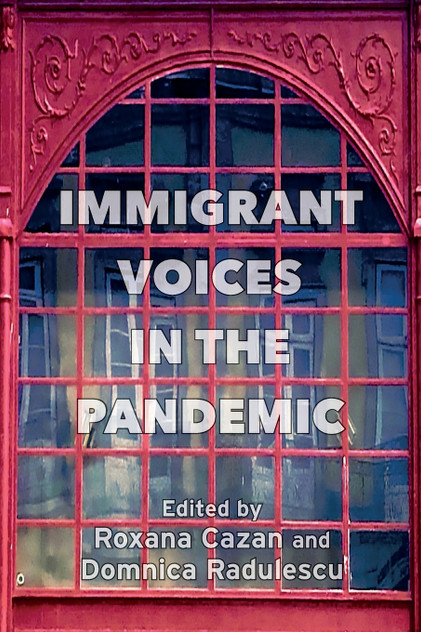
Immigrant Voices in the Pandemic is a powerful collection of stories that showcase how the COVID-19 period has influenced the way we create art. This anthology is a testimony to how art can deliver...
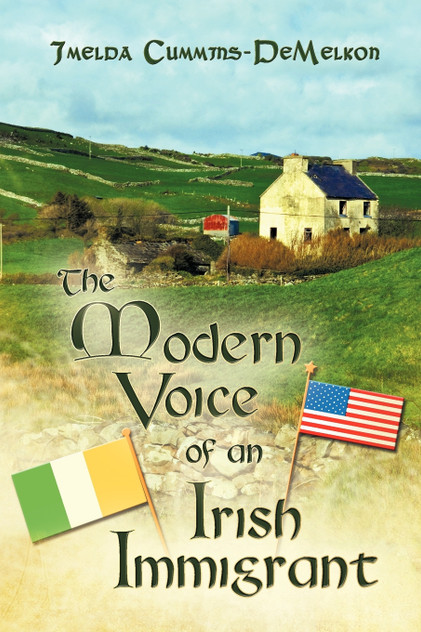
The Modern Voice of an Irish Immigrant is author Imelda Cummins-DeMelkon's fascinating account of her experience growing up in Ireland as one of twelve children, and the struggle for autonomy and...
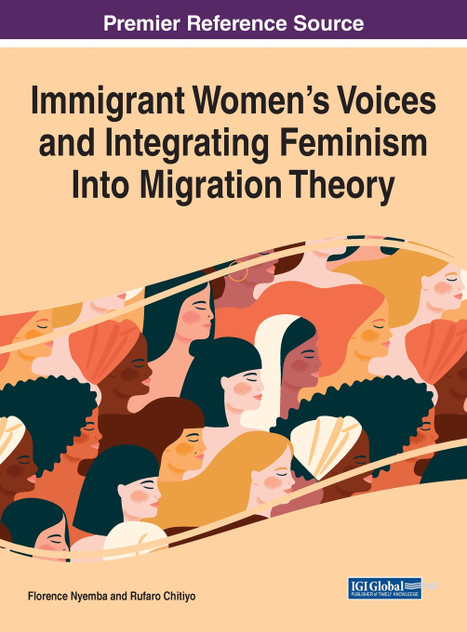
Migration is a multifaceted phenomenon that plays a critical role in today's world, yet there have been few attempts to look beneath the surface of the mass movements of people. Particularly, the...