Biological and machine systems exist within a complex and changing three-dimensional world. We appear to have no difficulty understanding this world, but how do we go about forming a perceptual model of it? Centred around three key themes: depth processing and stereopsis; motion and navigation in 3D; and natural scene perception, this volume explores the latest cutting-edge research into the perception of three dimension environments. It features contributions from top researchers in the field, presenting both biological and computational perspectives. Topics covered include binocular perception; blur and perceived depth; stereoscopic motion in depth; and perceiving and remembering the shape of visual space. This unique book will provide students and researchers with an overview of ongoing research as well as perspectives on future developments in the field. Colour versions of a selection of the figures are available at www.cambridge.org/9781107001756.
This indispensable text introduces the foundations of three-dimensional computer vision and describes recent contributions to the field. Fully revised and updated, this much-anticipated new edition...
Choosing from the numerous 3D vision methods available can be frustrating for scientists and engineers, especially without a comprehensive resource to consult. Filling this gap, this handbook gives...
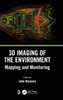
This book gives readers detailed explanations of the techniques used to map and monitor the built and natural environment and how that data, collected from a wide range of scales and cost options, is...
Derived from a conference honoring the legacy of Joachim Wohlwill, this volume is designed to reflect as many facets of the late scholar's wide-ranging work as possible. As its title indicates, the...