Trending Bestseller

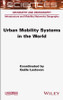
Urban Mobility Systems in the World

Gaele Lesteven

No reviews yet Write a Review
Hardback
13-December-2023
$327.00
Ships in 3-5 business days
Hurry up! Current stock:

Urban Mobility Systems in the World provides insight into the geographical organization of urban mobility systems around the world. These "systems" consist of infrastructure networks, existing transport services and people's travel practices. Adopting a comparative approach, the book highlights the geographical diversity of mobility systems, based on case studies from Africa, North and South America, Asia and Europe.

This multi-disciplinary book is organized into twelve chapters, divided into four parts. The first part gives an overview of urban mobility, and then examines the factors that determine everyday mobility in cities, revealing different travel practices among populations (poor, elderly and children). Parts 2 and 3, respectively, focus on urban public transport (trains, metros, minibuses) and active modes of transport (walking, cycling), and the related infrastructure policies. The final section examines the circulation of urban mobility analysis tools and public policy models.

This product hasn't received any reviews yet. Be the first to review this product!

$327.00
Ships in 3-5 business days
Hurry up! Current stock:

Urban Mobility Systems in the World

$327.00

Description

Urban Mobility Systems in the World provides insight into the geographical organization of urban mobility systems around the world. These "systems" consist of infrastructure networks, existing transport services and people's travel practices. Adopting a comparative approach, the book highlights the geographical diversity of mobility systems, based on case studies from Africa, North and South America, Asia and Europe.

This multi-disciplinary book is organized into twelve chapters, divided into four parts. The first part gives an overview of urban mobility, and then examines the factors that determine everyday mobility in cities, revealing different travel practices among populations (poor, elderly and children). Parts 2 and 3, respectively, focus on urban public transport (trains, metros, minibuses) and active modes of transport (walking, cycling), and the related infrastructure policies. The final section examines the circulation of urban mobility analysis tools and public policy models.

Customers Also Viewed