Trending Bestseller

Time to React

No reviews yet Write a Review
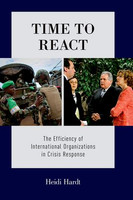
Given dire consequences of delays in crisis response, this book explains why some international organizations take longer than others to answer calls for intervention. It builds on interviews with AU, EU, OAS and OSCE decision-makers to reveal the institutional sources of efficiency.
Paperback / softback
09-March-2017
266 Pages
RRP: $81.95
$78.00
Ships in 3-5 business days
Hurry up! Current stock:
In conflict-affected regions, delays in international response can have life or death consequences. The speed with which international organizations react to crises affects the prospects for communities to re-establish peace. Why then do some international organizations take longer than others to answer calls for intervention? To answer this question and explore options for reform, Time to React builds on contemporary scholarship with original data on response rates and interview evidence from 50 ambassadors across four leading organizations (AU, EU, OAS and OSCE). The explanation for variation in speed ultimately lies in core differences in institutional cultures across organizations. Although wealth and capabilities can strengthen a peace operation, it is the unspoken rules and social networks of peace and security committees at these organizations that dictate the pace with which an operation is established. This book offers a first analysis of the critical importance of and conditions shaping timeliness of crisis response by international organizations.

This product hasn't received any reviews yet. Be the first to review this product!

RRP: $81.95
$78.00
Ships in 3-5 business days
Hurry up! Current stock:

Time to React

RRP: $81.95
$78.00

Description

In conflict-affected regions, delays in international response can have life or death consequences. The speed with which international organizations react to crises affects the prospects for communities to re-establish peace. Why then do some international organizations take longer than others to answer calls for intervention? To answer this question and explore options for reform, Time to React builds on contemporary scholarship with original data on response rates and interview evidence from 50 ambassadors across four leading organizations (AU, EU, OAS and OSCE). The explanation for variation in speed ultimately lies in core differences in institutional cultures across organizations. Although wealth and capabilities can strengthen a peace operation, it is the unspoken rules and social networks of peace and security committees at these organizations that dictate the pace with which an operation is established. This book offers a first analysis of the critical importance of and conditions shaping timeliness of crisis response by international organizations.
Customers Also Viewed