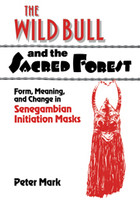

This study of the cattle-horned initiation masks of southern Senegal and the Gambia weaves together art history, history, and cultural anthropology to give a detailed view of Casamance cultures, as they have interacted and changed over the past two centuries. Based on seven field trips to West Africa and fifteen years of research in colonial archives and museum collections from Dakar to Leipzig, Professor Mark's work presents a subtle interpretation of Casamance horned masquerades, their complex ritual symbolism, and the metaphysical concepts to which they allude. In tracing the cultural interaction and changing identity of the peoples of the Casamance, the author convincingly argues for a dynamic approach to art and ethnic identity. Culture should be seen not as a fixed entity but as a continuing process. This dynamic model reflects the history of interaction between Manding and Diola and between Muslim and non-Muslim, that has produced hybrid masks.
Across the world cattle remain absolutely essential to civilization's survival as a source of food, clothing, and labor. Human beings eat beef and ice cream, drink milk, wear leather, and love...
"A new book written by NBA Legend Dennis Rodman." USA Today "The NBA Hall of Famer has written a book for kids and dedicated it to his own children." TIME "We hope they're sold with temporary...
Best-selling author and oracle expert Denise Linn guides you through the Sacred Forest, introducing you to nature spirits and sacred realms with each lavishly illustrated card. Each card in this...