The role of the state has occupied centre stage in the development of economics as an independent discipline and is one of the most contentious issues addressed by contemporary economists and political economists. The immediate postwar years saw a swing in economic theory towards interventionism, motivated by the urgent need for reconstruction in advanced capitalist countries, the establishment of socialism in parts of Asia and Eastern Europe, and the liberation of many developing nations from colonialism. After a quarter of a century of interventionist policies, a vigorous backlash against state intervention began with the discrediting of welfare statism in advanced capitalist countries, grew through the spread of liberalization programmes among developing nations during the 1980s, and culminated in the dismantling of socialist central planning since 1989. In this volume, ten distinguished contributors examine patterns of interventionism and anti-interventionism in a wide variety of historical, political, and institutional contexts, and within different theoretical traditions. Their primary focus is on the internal factors which shape the role of the state and determine its effectiveness in promoting economic change. They explain the growing disenchantment with the Neo-Liberal, anti-interventionist programme - even in Eastern Europe and the former USSR, where the initial optimism in the efficacy of the free market is fading fast. The overall conclusion of the empirical and theoretical analysis is that the simplistic notion of politics fundamental to Neo-Liberal arguments makes them at best misleading and at worst deceitful. Although one can talk of certain general principles, there isno hard and fast rule to determine the optimal degree and the desirable areas of state intervention, which can only be determined in the concrete historical, institutional, and geographical context. The challenge is to form a new synthesis in which the valid insights of
The role of the state has occupied centre stage in the development of economics as an independent discipline and is one of the most contentious issues addressed by contemporary economists and political economists. The immediate postwar years saw a swing in economic theory towards interventionism, motivated by the urgent need for reconstruction in advanced capitalist countries, the establishment of socialism in parts of Asia and Eastern Europe, and the liberation of many developing nations from colonialism. After a quarter of a century of interventionist policies, a vigorous backlash against state intervention began with the discrediting of welfare statism in advanced capitalist countries, grew through the spread of liberalization programmes among developing nations during the 1980s, and culminated in the dismantling of socialist central planning since 1989. In this volume, ten distinguished contributors examine patterns of interventionism and anti-interventionism in a wide variety of historical, political, and institutional contexts, and within different theoretical traditions. Their primary focus is on the internal factors which shape the role of the state and determine its effectiveness in promoting economic change. They explain the growing disenchantment with the Neo-Liberal, anti-interventionist programme - even in Eastern Europe and the former USSR, where the initial optimism in the efficacy of the free market is fading fast. The overall conclusion of the empirical and theoretical analysis is that the simplistic notion of politics fundamental to Neo-Liberal arguments makes them at best misleading and at worst deceitful. Although one can talk of certain general principles, there isno hard and fast rule to determine the optimal degree and the desirable areas of state intervention, which can only be determined in the concrete historical, institutional, and geographical context. The challenge is to form a new synthesis in which the valid insights of
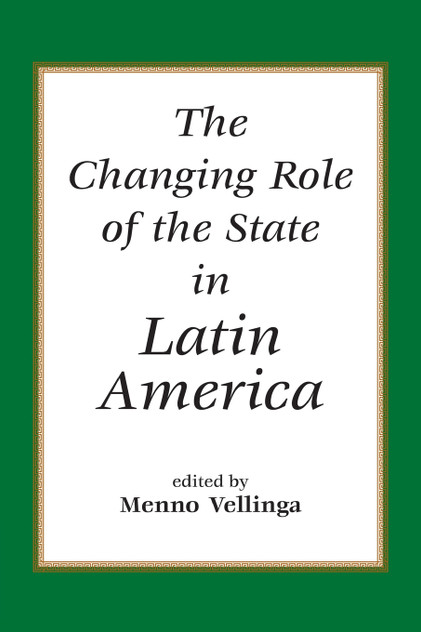
Through comparative analysis and several country case studies, this book examines the consequences of the redefinition of the state for processes of democratization and state-civil society relations...
Discover your next great read at BookLoop, Australiand online bookstore offering a vast selection of titles across various genres and interests. Whether you're curious about what's trending or searching for graphic novels that captivate, thrilling crime and mystery fiction, or exhilarating action and adventure stories, our curated collections have something for every reader. Delve into imaginative fantasy worlds or explore the realms of science fiction that challenge the boundaries of reality. Fans of contemporary narratives will find compelling stories in our contemporary fiction section. Embark on epic journeys with our fantasy and science fiction titles,
Shop Trending Books and New Releases
Explore our new releases for the most recent additions in romance books, fantasy books, graphic novels, crime and mystery books, science fiction books as well as biographies, cookbooks, self help books, tarot cards, fortunetelling and much more. With titles covering current trends, booktok and bookstagram recommendations, and emerging authors, BookLoop remains your go-to local australian bookstore for buying books online across all book genres.
Shop Best Books By Collection
Stay updated with the literary world by browsing our trending books, featuring the latest bestsellers and critically acclaimed works. Explore titles from popular brands like Minecraft, Pokemon, Star Wars, Bluey, Lonely Planet, ABIA award winners, Peppa Pig, and our specialised collection of ADHD books. At BookLoop, we are committed to providing a diverse and enriching reading experience for all.
Sign In
your cart
Your cart is empty
Menu
Search
PRE-SALES
If you have any questions before making a purchase chat with our online operators to get more information.