Trending Bestseller

The Rise of Big Spatial Data

Igor Ivan

No reviews yet Write a Review
Paperback / softback
16 June 2018
$411.00
Ships in 3-5 business days
Hurry up! Current stock:

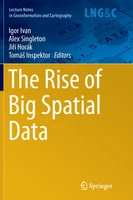
This edited volume gathers the proceedings of the Symposium GIS Ostrava 2016, the Rise of Big Spatial Data, held at the Technical University of Ostrava, Czech Republic, March 16-18, 2016. Combining theoretical papers and applications by authors from around the globe, it summarises the latest research findings in the area of big spatial data and key problems related to its utilisation.

Welcome to dawn of the big data era: though it's in sight, it isn't quite here yet. Big spatial data is characterised by three main features: volume beyond the limit of usual geo-processing, velocity higher than that available using conventional processes, and variety, combining more diverse geodata sources than usual. The popular term denotes a situation in which one or more of these key properties reaches a point at which traditional methods for geodata collection, storage, processing, control, analysis, modelling, validation and visualisation fail to provide effective solutions.

>Entering the era of big spatial data calls for finding solutions that address all "small data" issues that soon create "big data" troubles. Resilience for big spatial data means solving the heterogeneity of spatial data sources (in topics, purpose, completeness, guarantee, licensing, coverage etc.), large volumes (from gigabytes to terabytes and more), undue complexity of geo-applications and systems (i.e. combination of standalone applications with web services, mobile platforms and sensor networks), neglected automation of geodata preparation (i.e. harmonisation, fusion), insufficient control of geodata collection and distribution processes (i.e. scarcity and poor quality of metadata and metadata systems), limited analytical tool capacity (i.e. domination of traditional causal-driven analysis), low visual system performance, inefficient knowledge-discovery techniques (for transformation of vast amounts of information into tiny and essential outputs) and much more. These trends are accelerating as sensors become more ubiquitous around the world.

This product hasn't received any reviews yet. Be the first to review this product!

$411.00
Ships in 3-5 business days
Hurry up! Current stock:

The Rise of Big Spatial Data

$411.00

Description

This edited volume gathers the proceedings of the Symposium GIS Ostrava 2016, the Rise of Big Spatial Data, held at the Technical University of Ostrava, Czech Republic, March 16-18, 2016. Combining theoretical papers and applications by authors from around the globe, it summarises the latest research findings in the area of big spatial data and key problems related to its utilisation.

Welcome to dawn of the big data era: though it's in sight, it isn't quite here yet. Big spatial data is characterised by three main features: volume beyond the limit of usual geo-processing, velocity higher than that available using conventional processes, and variety, combining more diverse geodata sources than usual. The popular term denotes a situation in which one or more of these key properties reaches a point at which traditional methods for geodata collection, storage, processing, control, analysis, modelling, validation and visualisation fail to provide effective solutions.

>Entering the era of big spatial data calls for finding solutions that address all "small data" issues that soon create "big data" troubles. Resilience for big spatial data means solving the heterogeneity of spatial data sources (in topics, purpose, completeness, guarantee, licensing, coverage etc.), large volumes (from gigabytes to terabytes and more), undue complexity of geo-applications and systems (i.e. combination of standalone applications with web services, mobile platforms and sensor networks), neglected automation of geodata preparation (i.e. harmonisation, fusion), insufficient control of geodata collection and distribution processes (i.e. scarcity and poor quality of metadata and metadata systems), limited analytical tool capacity (i.e. domination of traditional causal-driven analysis), low visual system performance, inefficient knowledge-discovery techniques (for transformation of vast amounts of information into tiny and essential outputs) and much more. These trends are accelerating as sensors become more ubiquitous around the world.

Customers Also Viewed

Buy Books Online at BookLoop

Discover your next great read at BookLoop, Australiand online bookstore offering a vast selection of titles across various genres and interests. Whether you're curious about what's trending or searching for graphic novels that captivate, thrilling crime and mystery fiction, or exhilarating action and adventure stories, our curated collections have something for every reader. Delve into imaginative fantasy worlds or explore the realms of science fiction that challenge the boundaries of reality. Fans of contemporary narratives will find compelling stories in our contemporary fiction section. Embark on epic journeys with our fantasy and science fiction titles,

Shop Trending Books and New Releases

Explore our new releases for the most recent additions in romance books, fantasy books, graphic novels, crime and mystery books, science fiction books as well as biographies, cookbooks, self help books, tarot cards, fortunetelling and much more. With titles covering current trends, booktok and bookstagram recommendations, and emerging authors, BookLoop remains your go-to local australian bookstore for buying books online across all book genres.

Shop Best Books By Collection

Stay updated with the literary world by browsing our trending books, featuring the latest bestsellers and critically acclaimed works. Explore titles from popular brands like Minecraft, Pokemon, Star Wars, Bluey, Lonely Planet, ABIA award winners, Peppa Pig, and our specialised collection of ADHD books. At BookLoop, we are committed to providing a diverse and enriching reading experience for all.