


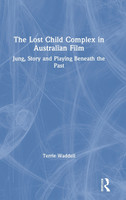

The mythologising of lost and abandoned children significantly influences Australian storytelling. In The Lost Child Complex in Australian Film, Terrie Waddell looks at the concept of the 'lost child' from a psychological and cultural perspective. Taking an interdisciplinary Jungian approach, she re-evaluates this cyclic storytelling motif in history, literature, and the creative arts, as the nucleus of a cultural complex - a group obsession that as Jung argued of all complexes, has us.
Waddell explores 'the lost child' in its many manifestations, as an element of the individual and collective psyche, historically related to the trauma of colonisation and war, and as key theme in Australian cinema from the industry's formative years to the present day. The films discussed in textual depth transcend literal lost in the bush mythologies, or actual cases of displaced children, to focus on vulnerable children rendered lost through government and institutional practices, and adult/parental characters developmentally arrested by comforting or traumatic childhood memories. The victory/winning fixation governing the USA - diametrically opposed to the lost child motif - is also discussed as a comparative example of the mesmerising nature of the cultural complex. Examining iconic characters and events, such as the Gallipoli Campaign and Trump's presidency, and films such as The Babadook, Lion, and Predestination, this book scrutinises the way in which a culture talks to itself, about itself. This analysis looks beyond the melancholy traditionally ascribed to the lost child, by arguing that the repetitive and prolific imagery that this theme stimulates, can be positive and inspiring.
The Lost Child Complex in Australian Film
is a unique and compelling work which will be highly relevant for academics and students of Jungian and post-Jungian ideas, cultural studies, screen and media studies. It will also appeal to Jungian psychotherapists and analytical psychologists as well as readers with a broader interest in Australian history and politics.


Discover your next great read at BookLoop, Australiand online bookstore offering a vast selection of titles across various genres and interests. Whether you're curious about what's trending or searching for graphic novels that captivate, thrilling crime and mystery fiction, or exhilarating action and adventure stories, our curated collections have something for every reader. Delve into imaginative fantasy worlds or explore the realms of science fiction that challenge the boundaries of reality. Fans of contemporary narratives will find compelling stories in our contemporary fiction section. Embark on epic journeys with our fantasy and science fiction titles,
Explore our new releases for the most recent additions in romance books, fantasy books, graphic novels, crime and mystery books, science fiction books as well as biographies, cookbooks, self help books, tarot cards, fortunetelling and much more. With titles covering current trends, booktok and bookstagram recommendations, and emerging authors, BookLoop remains your go-to local australian bookstore for buying books online across all book genres.
Stay updated with the literary world by browsing our trending books, featuring the latest bestsellers and critically acclaimed works. Explore titles from popular brands like Minecraft, Pokemon, Star Wars, Bluey, Lonely Planet, ABIA award winners, Peppa Pig, and our specialised collection of ADHD books. At BookLoop, we are committed to providing a diverse and enriching reading experience for all.
If you have any questions before making a purchase chat with our online operators to get more information.
or find our Questions & Answers