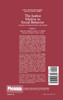
This book contains essays in honour of Melvin J. Lerner, a pioneer in the psychological study of justice. The contributors to this volume are internationally renowned scholars from psychology, business, and law. They examine the role of justice motivation in a wide variety of contexts, including workplace violence, affirmative action programs, helping or harming innocent victims and how people react to their own fate. Contributors explore fundamental issues such as whether people's interest in justice is motivated by self-interest or a genuine concern for the welfare of others, when and why people feel a need to punish transgressors, how a concern for justice emerges during the development of societies and individuals, and the relation of justice motivation to moral motivation. How an understanding of justice motivation can contribute to the amelioration of major social problems is also examined.
The book addresses authoritarian legacies of politically motivated justice and its unwritten practices that have re-emerged in the recent trials related to both political and ordinary criminal...
This volume was conceived out of the concern with what the imminent future holds for the "have" countries ... those societies, such as the United States, which are based on complex technology and a...
Beginning with the assumption that a justice motive exists, the author posits that belief in a just world influences the behavior of most people most of the time. This is true for all people of all...