Why have conservatives decried 'activist judges'? And why have liberals - and America's powerful legal establishment - emphasized qualifications and experience over ideology? This transformative text tackles these questions with a new framework for thinking about the nation's courts, 'the judicial tug of war', which not only explains current political clashes over America's courts, but also powerfully predicts the composition of courts moving forward. As the text demonstrates through novel quantitative analyses, a greater ideological rift between politicians and legal elites leads politicians to adopt measures that put ideology and politics front and center - for example, judicial elections. On the other hand, ideological closeness between politicians and the legal establishment leads legal elites to have significant influence on the selection of judges. Ultimately, the judicial tug of war makes one point clear: for good or bad, politics are critical to how judges are selected and whose interests they ultimately represent.
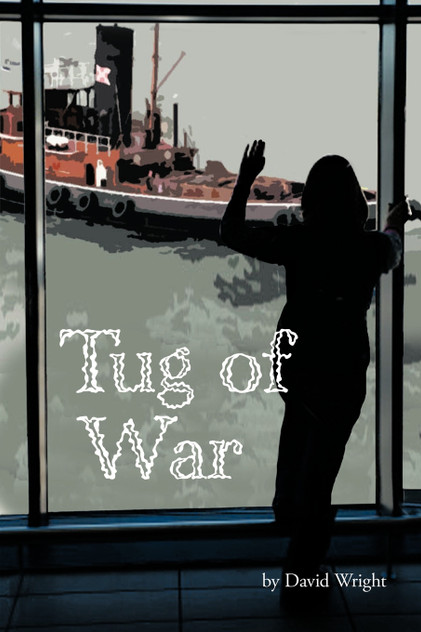
Tug of War is set in the early years of the last war when all was bleak, the outlook grim and a winning outcome nowhere in sight. The hero is a tough hard working sea captain, Graeme Jenkins. The...
In 1942, in the midst of World War II, three factions struggle for power and control over Serbia: the Royalists, the Partisans, and the Nazis. For those living there, life was put on hold...
Title: A Tug of War. A novel.Publisher: British Library, Historical Print EditionsThe British Library is the national library of the United Kingdom. It is one of the world's largest...