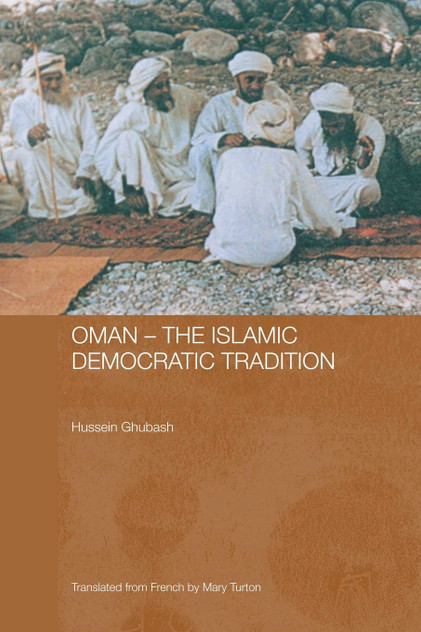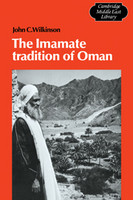
At the core of this book is an attempt to explain a conflict in Oman in the 1950s and 1960s between two claimants to authority: the Imam of the Ibadi sect in the interior and the Sultan with his capital at Muscat on the coast. The crisis, precipitated by two rival oil companies, acquired wider dimensions because the Sultan was supported by the British, whilst the Imam was eventually backed by Saudi Arabia. In his analysis of the roots of this conflict John Wilkinson traces the themes of regional identity, tribal organization and political authority over some 1200 years of history in south-eastern Arabia. The constitution of the Imamate has periodically unified the tribes of central Oman into a form of statehood capable of creating an overseas empire. But in spite of the accruing wealth, notably from Eastern Africa in the nineteenth century, the institutions necessary for permanent government were never created.
This work has been selected by scholars as being culturally important, and is part of the knowledge base of civilization as we know it.This work is in the "public domain in the United States of...
Oman is the inheritor of a unique political tradition, the imama (imamate), and has a special place in the Arab Islamic world. From the eighth century and for more than a thousand years, the story of...
This book is written for the youth about the definition of Imamate and privileges of the Imams so that we may learn and follow the pattern of the infallible Imams (a.s.).