First published in 1892, this work by the architect Reginald Theodore Blomfield (1856-1942), illustrated by Francis Inigo Thomas (1865-1950), uses historical evidence to vindicate a classical approach to garden design, in which a house and its surroundings are kept in harmony. It is a response to the work of the gardener and journalist William Robinson (1838-1935), who had written vehemently in favour of romantic, naturalistic gardens. Closely linked to the burgeoning Arts and Crafts movement as secretary to the Art-Workers' Guild under William Morris' presidency, Blomfield had developed a theory of garden design which held that it should be a reflection of architectural order: honest, vernacular simplicity as opposed to the 'wild garden'. Illustrative of the contemporary debate between architects and plantsmen, this instructive text, reissued in its second edition of 1892, captures a moment in this developing relationship in the years before Edwin Lutyens and Gertrude Jekyll gave it new harmony.
This work has been selected by scholars as being culturally important, and is part of the knowledge base of civilization as we know it.This work is in the "public domain in the United States of...
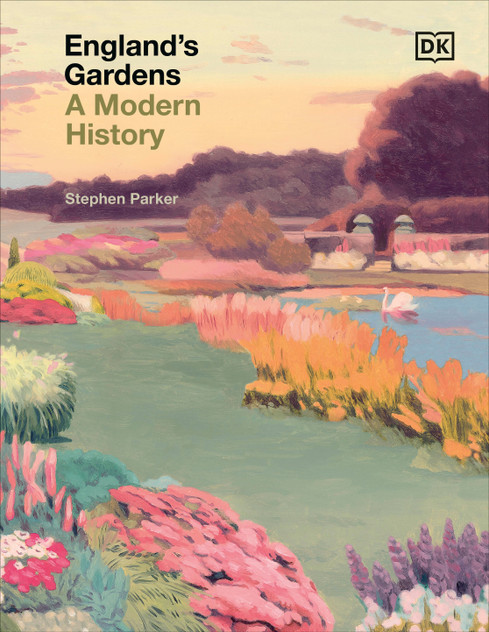
Discover the iconic and enduring beauty of English gardens, the people who made them, and the legacy they leaveWe may all feel we know what an "English" garden is, but do we really?England's Gardens...