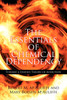
If you ask an addict why he takes drugs, he is likely to say that he likes, or enjoys them. To someone who has witnessed an addict's behavior that may seem astounding, even impossible, but it's true. In The Essentials of Chemical Dependency, the McAuliffes have examined and isolated the essential factors of addiction-those characteristics which all addictive behaviors have in common. The most amazing characteristic of all is that addiction is a love relationship. Robert and Mary McAuliffe have defined it this way: "Chemical dependency is essentially a committed pathological love relationship to a mood altering chemical substance." The first edition of The Essentials of Chemical Dependency grew out of materials assembled for a college course that trained specialists in chemical dependency treatment. This book is the second edition, expanded and improved. It examines in detail the nature of chemical dependency, its pathology, its causes, and its diagnosis. The McAuliffes conclude that chemical dependency is a disease. Some would say it is a choice, but choice does not apply to the addict. It applies only before addiction. Once the love commitment is made, reason and choice are not available. The shift is made to emotional compulsion. The addict is now in the grip of an emotional commitment that warps reason and restricts freedom of choice. A rigid defense system is also produced, warding off any interference with the addict's behavior. And the seal is set to the situation by delusion. The addict's perception of reality is distorted, which further impairs his reason and judgment. If these elements were mildly present in a love relationship between a man and a woman, it would be normal, even comical. But in a love relationship to a chemical it is disastrous, producing a debilitating downward spiral, toward both personal and social disorder and destruction. "We know that things are when we perceive them directly in their existential reality," The authors write. "But our minds do not rest with knowing that things are; we are not mentally comfortable until we come to know why things are." Along with providing the specifics of chemical dependency, the McAuliffes have inadvertently supplied an excellent view into how the mind works. In the process of describing chemical dependency we are also shown an excellent model of mental processes: intellect and emotion, reason and will, freedom and dependence. The truth of the principles discovered in examining chemical dependency is shown by their application to other domains. Though the book is specifically about drug addiction, the value of these insights into psychological processes is considerable. The Essentials of Chemical Dependency is not a self-help book designed for popular entertainment. It is scientific in its thorough approach, and to the average reader may seem a bit redundant as it examines every facet of the addict's attitudes and behaviors. However, those who are willing to make the effort can gain a deep understanding of these baffling, aberrant behaviors. This would be an excellent choice for a college text. David George
If you ask an addict why he takes drugs, he is likely to say that he likes, or enjoys them. To someone who has witnessed an addict's behavior that may seem astounding, even impossible, but it's true. In The Essentials of Chemical Dependency, the McAuliffes have examined and isolated the essential factors of addiction-those characteristics which all addictive behaviors have in common. The most amazing characteristic of all is that addiction is a love relationship. Robert and Mary McAuliffe have defined it this way: "Chemical dependency is essentially a committed pathological love relationship to a mood altering chemical substance." The first edition of The Essentials of Chemical Dependency grew out of materials assembled for a college course that trained specialists in chemical dependency treatment. This book is the second edition, expanded and improved. It examines in detail the nature of chemical dependency, its pathology, its causes, and its diagnosis. The McAuliffes conclude that chemical dependency is a disease. Some would say it is a choice, but choice does not apply to the addict. It applies only before addiction. Once the love commitment is made, reason and choice are not available. The shift is made to emotional compulsion. The addict is now in the grip of an emotional commitment that warps reason and restricts freedom of choice. A rigid defense system is also produced, warding off any interference with the addict's behavior. And the seal is set to the situation by delusion. The addict's perception of reality is distorted, which further impairs his reason and judgment. If these elements were mildly present in a love relationship between a man and a woman, it would be normal, even comical. But in a love relationship to a chemical it is disastrous, producing a debilitating downward spiral, toward both personal and social disorder and destruction. "We know that things are when we perceive them directly in their existential reality," The authors write. "But our minds do not rest with knowing that things are; we are not mentally comfortable until we come to know why things are." Along with providing the specifics of chemical dependency, the McAuliffes have inadvertently supplied an excellent view into how the mind works. In the process of describing chemical dependency we are also shown an excellent model of mental processes: intellect and emotion, reason and will, freedom and dependence. The truth of the principles discovered in examining chemical dependency is shown by their application to other domains. Though the book is specifically about drug addiction, the value of these insights into psychological processes is considerable. The Essentials of Chemical Dependency is not a self-help book designed for popular entertainment. It is scientific in its thorough approach, and to the average reader may seem a bit redundant as it examines every facet of the addict's attitudes and behaviors. However, those who are willing to make the effort can gain a deep understanding of these baffling, aberrant behaviors. This would be an excellent choice for a college text. David George
The most revolutionary, humanistic guide to counteracting chemical dependency on the market, Chemical Dependency Treatment: Innovative Group Approaches presents group models of intervention with...
Discover your next great read at BookLoop, Australiand online bookstore offering a vast selection of titles across various genres and interests. Whether you're curious about what's trending or searching for graphic novels that captivate, thrilling crime and mystery fiction, or exhilarating action and adventure stories, our curated collections have something for every reader. Delve into imaginative fantasy worlds or explore the realms of science fiction that challenge the boundaries of reality. Fans of contemporary narratives will find compelling stories in our contemporary fiction section. Embark on epic journeys with our fantasy and science fiction titles,
Shop Trending Books and New Releases
Explore our new releases for the most recent additions in romance books, fantasy books, graphic novels, crime and mystery books, science fiction books as well as biographies, cookbooks, self help books, tarot cards, fortunetelling and much more. With titles covering current trends, booktok and bookstagram recommendations, and emerging authors, BookLoop remains your go-to local australian bookstore for buying books online across all book genres.
Shop Best Books By Collection
Stay updated with the literary world by browsing our trending books, featuring the latest bestsellers and critically acclaimed works. Explore titles from popular brands like Minecraft, Pokemon, Star Wars, Bluey, Lonely Planet, ABIA award winners, Peppa Pig, and our specialised collection of ADHD books. At BookLoop, we are committed to providing a diverse and enriching reading experience for all.
Sign In
your cart
Your cart is empty
Menu
Search
PRE-SALES
If you have any questions before making a purchase chat with our online operators to get more information.