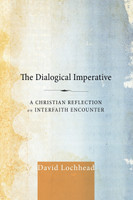
What is dialogue? What are the goals of dialogue between faiths? Are they attainable? Are they compatible with Christian faith? This important book addresses the issue of dialogue from a different, even unique, perspective: as the relationships, in social and historical context, between faiths.David Lochhead first differentiates between several ideological stances (often categorized as simply ""exclusivity"" or ""inclusivity"") that have defined Christian attitudes toward other faiths. He considers the sociological as well as theological dimensions of these stances, concluding that a theology of interfaith dialogue ""must ultimately be grounded in a theology of the world.""Lochhead brings fresh insights to a reading of Barth on the theological significance of religion. He argues that, while generally considered otherwise, Barth's view is not inherently hostile to interfaith dialogue. Rather, Barth poses questions of the utmost importance to reconciling dialogue with Christian faithfulness. Based on this, Lochhead proposes a stance of ""faithful agnosticism""--the refusal to make a priori valuations of other faiths--as the attitude most conducive to constructive interfaith relationships. Exploring the notion of dialogue as a means to truth Lochhead then discusses Plato and Buber from the dialogical perspective and addresses the question of whether a doctrine of revelation must be universalized in order to permit interfaith dialogue. After examining several views of the ultimate goals of dialogue (as understanding, as negotiation, as integration, or as activity) Lochhead concludes by explicating the import of the dialogical imperative for Christian theology and mission. A clear, concise treatment of the nature and goals of interfaith dialogue, The Dialogical Imperative affirms the dialogical approach from within the Reformed Protestant tradition.
What is dialogue? What are the goals of dialogue between faiths? Are they attainable? Are they compatible with Christian faith? This important book addresses the issue of dialogue from a different, even unique, perspective: as the relationships, in social and historical context, between faiths.David Lochhead first differentiates between several ideological stances (often categorized as simply ""exclusivity"" or ""inclusivity"") that have defined Christian attitudes toward other faiths. He considers the sociological as well as theological dimensions of these stances, concluding that a theology of interfaith dialogue ""must ultimately be grounded in a theology of the world.""Lochhead brings fresh insights to a reading of Barth on the theological significance of religion. He argues that, while generally considered otherwise, Barth's view is not inherently hostile to interfaith dialogue. Rather, Barth poses questions of the utmost importance to reconciling dialogue with Christian faithfulness. Based on this, Lochhead proposes a stance of ""faithful agnosticism""--the refusal to make a priori valuations of other faiths--as the attitude most conducive to constructive interfaith relationships. Exploring the notion of dialogue as a means to truth Lochhead then discusses Plato and Buber from the dialogical perspective and addresses the question of whether a doctrine of revelation must be universalized in order to permit interfaith dialogue. After examining several views of the ultimate goals of dialogue (as understanding, as negotiation, as integration, or as activity) Lochhead concludes by explicating the import of the dialogical imperative for Christian theology and mission. A clear, concise treatment of the nature and goals of interfaith dialogue, The Dialogical Imperative affirms the dialogical approach from within the Reformed Protestant tradition.
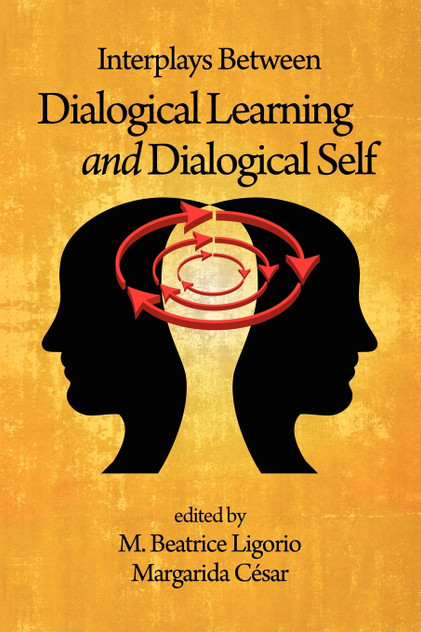
Education is a main issue in all countries. Policy makers, educators, families, students and, in amore general way, societies expect schools to provide a high quality education. They also...
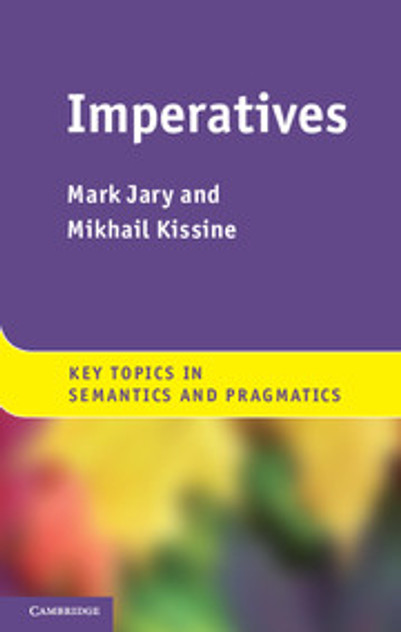
". . . a more compelling reading of Kant than any I have ever seen." --David Farrell KrellIn this provocative book, Alphonso Lingis argues that not only our thought is governed by an imperative, as...
Discover your next great read at BookLoop, Australiand online bookstore offering a vast selection of titles across various genres and interests. Whether you're curious about what's trending or searching for graphic novels that captivate, thrilling crime and mystery fiction, or exhilarating action and adventure stories, our curated collections have something for every reader. Delve into imaginative fantasy worlds or explore the realms of science fiction that challenge the boundaries of reality. Fans of contemporary narratives will find compelling stories in our contemporary fiction section. Embark on epic journeys with our fantasy and science fiction titles,
Shop Trending Books and New Releases
Explore our new releases for the most recent additions in romance books, fantasy books, graphic novels, crime and mystery books, science fiction books as well as biographies, cookbooks, self help books, tarot cards, fortunetelling and much more. With titles covering current trends, booktok and bookstagram recommendations, and emerging authors, BookLoop remains your go-to local australian bookstore for buying books online across all book genres.
Shop Best Books By Collection
Stay updated with the literary world by browsing our trending books, featuring the latest bestsellers and critically acclaimed works. Explore titles from popular brands like Minecraft, Pokemon, Star Wars, Bluey, Lonely Planet, ABIA award winners, Peppa Pig, and our specialised collection of ADHD books. At BookLoop, we are committed to providing a diverse and enriching reading experience for all.
Sign In
your cart
Your cart is empty
Menu
Search
PRE-SALES
If you have any questions before making a purchase chat with our online operators to get more information.