A deep and widespread crisis affects modern economic theory, a crisis that derives from the absence of a 'vision' - a set of widely shared political and social preconceptions - on which all economics ultimately depends. This absence, in turn, reflects the collapse of the Keynesian view that provided such a foundation from 1940 to the early 1970s, comparable to earlier visions provided by Smith, Ricardo, Mill, and Marshall. The 'unraveling' of Keynesianism has been followed by a division of discordant and ineffective camps whose common denominator seems to be their shared analytical refinement and lack of practical applicability. Heilbroner and Milberg's analysis attempts both to describe this state of affairs, and to suggest the direction in which economic thinking must move if it is to regain the relevance and remedial power it now pointedly lacks.
This volume brings together scholars from a range of disciplines to explore the intersections between crisis, scholarship, and action. The aim of this book is to think about the "moment of crisis,"...
This work has been selected by scholars as being culturally important, and is part of the knowledge base of civilization as we know it. This work was reproduced from the original artifact, and...
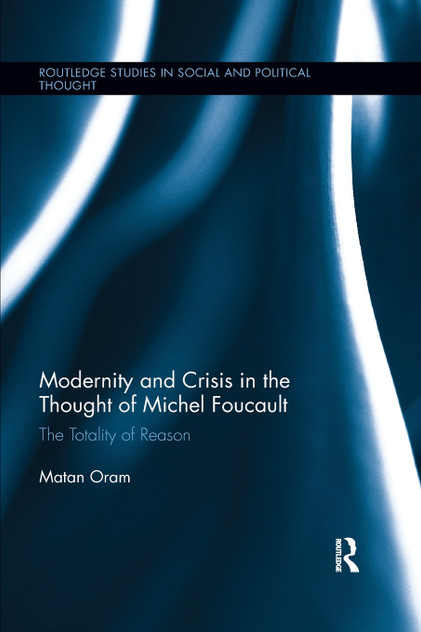
This book addresses Foucault's characterizations of the Enlightenment, asking whether the developmental history of the modern conception of knowledge--from the Renaissance to the...