The application of ecological theory and conservation biology to agricultural ecosystems has become an important and growing research field and undergraduate course component in recent years. This book is both an academic textbook and practical guide to farm conservation, and has evolved from the authors' extensive teaching experience. It covers the ecology of farmed land, how agricultural practices influence the environment, how agriculture has changed over time and how the species that inhabit the agri-environment have adapted. It also covers the history of agricultural policy and subsidies and the development of agri-environment schemes. A number of different farming systems are discussed, as are the difficulties in determining their relative merits. Guidance is offered on how to produce a workable farm conservation plan, and the final chapters look to the future and the development of new, greener farming systems.
Learning from agri-environment schemes in Australia is a book about the birds and the beef — more specifically it is about the billions of dollars that governments pay farmers around the world each...
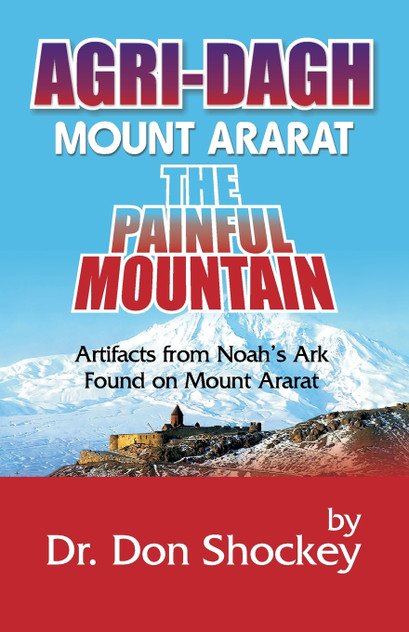
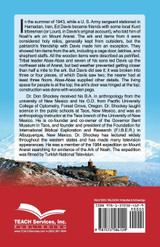
In the summer of 1943, while a U. S. Army sergeant stationed in Hamadan, Iran, Ed Davis became friends with some local Kurd tribesman (or Lourd, in Davis's original account), who told him of Noah's...
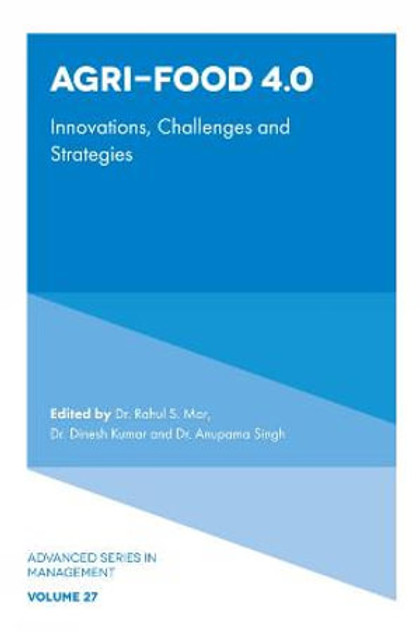
The Agri-Food industry currently faces a range of challenges, from food safety and security, demand, and supply gaps to the maintenance of product quality and issues in product traceability. Smart...
This volume concentrates on the recent scientific advancements in agricultural biotechnology and reintegrates it with socio-economic, industrial and intellectual property aspects of agricultural...