The stylistic and cultural discourse concerning the narratives of mental disorder is the main focus of Symptoms of Disorder: Reading Madness in British Literature 1744-1845. This collection offers new insights into the representation of madness in British literature between two landmark dates for the social, philosophical and medical history of mental deviance: 1744 and 1845. In 1744, the Vagrancy Act first mentions 'lunatics' as a specific category, which is itself a social 'symptom' of an emerging need for isolation and confinement of the insane.A more sophisticated and attentive care of the 'fool' is testified only by the 1845 Lunatic Asylums Act, which established specific processes safeguarding against the wrongful detention of patients in public and private facilities. In stressing for the first time the momentous change the notion of madness underwent between these years, this book provides a fresh and absolutely unique perspective on some of the major works connected with mental disorder. The chronological boundaries also provide the collection with a definite and unifying frame, which comprises social, cultural, legal and medical aspects of madness as an historical phenomenon. It is within this frame that the eight essays composing the body of the book discuss how madness is recounted, or even experienced, by authors such as Christopher Smart and William Cowper, William Blake, Samuel Taylor Coleridge, John Thomas Perceval, Samuel Richardson, Charlotte Lennox, Eliza Haywood, and Alfred Tennyson.Symptoms of Disorder draws a wide-ranging map of different representations of madness and their historic functioning between the 18th and 19th centuries. The organizational principle of this collection is a double perspective, which allows to suitably articulate the characterizations of insanity into themes and genres. Reflecting the two main ways in which literary madness can be employed as a critical device in literature, the chapters are grouped into theme-oriented and writer-oriented analyses. Other collections dealing with literature and madness have already coped, to a certain degree, with works that represent insane characters and authors who adopt 'deviant' voices as a fictional or rhetoric expedient. Fewer studies of the same kind, instead, have offered a more comprehensive picture by also looking at the alleged insanity of the writer, and at those linguistic, stylistic and semantic elements which at some stage were commonly believed to be an expression of insanity. This is one of the first studies which addresses the representation of madness from both these intertwined perspectives.See www.cambriapress.com/books/9781604979251.cfm for more information.
The stylistic and cultural discourse concerning the narratives of mental disorder is the main focus of Symptoms of Disorder: Reading Madness in British Literature 1744-1845. This collection offers new insights into the representation of madness in British literature between two landmark dates for the social, philosophical and medical history of mental deviance: 1744 and 1845. In 1744, the Vagrancy Act first mentions 'lunatics' as a specific category, which is itself a social 'symptom' of an emerging need for isolation and confinement of the insane.A more sophisticated and attentive care of the 'fool' is testified only by the 1845 Lunatic Asylums Act, which established specific processes safeguarding against the wrongful detention of patients in public and private facilities. In stressing for the first time the momentous change the notion of madness underwent between these years, this book provides a fresh and absolutely unique perspective on some of the major works connected with mental disorder. The chronological boundaries also provide the collection with a definite and unifying frame, which comprises social, cultural, legal and medical aspects of madness as an historical phenomenon. It is within this frame that the eight essays composing the body of the book discuss how madness is recounted, or even experienced, by authors such as Christopher Smart and William Cowper, William Blake, Samuel Taylor Coleridge, John Thomas Perceval, Samuel Richardson, Charlotte Lennox, Eliza Haywood, and Alfred Tennyson.Symptoms of Disorder draws a wide-ranging map of different representations of madness and their historic functioning between the 18th and 19th centuries. The organizational principle of this collection is a double perspective, which allows to suitably articulate the characterizations of insanity into themes and genres. Reflecting the two main ways in which literary madness can be employed as a critical device in literature, the chapters are grouped into theme-oriented and writer-oriented analyses. Other collections dealing with literature and madness have already coped, to a certain degree, with works that represent insane characters and authors who adopt 'deviant' voices as a fictional or rhetoric expedient. Fewer studies of the same kind, instead, have offered a more comprehensive picture by also looking at the alleged insanity of the writer, and at those linguistic, stylistic and semantic elements which at some stage were commonly believed to be an expression of insanity. This is one of the first studies which addresses the representation of madness from both these intertwined perspectives.See www.cambriapress.com/books/9781604979251.cfm for more information.
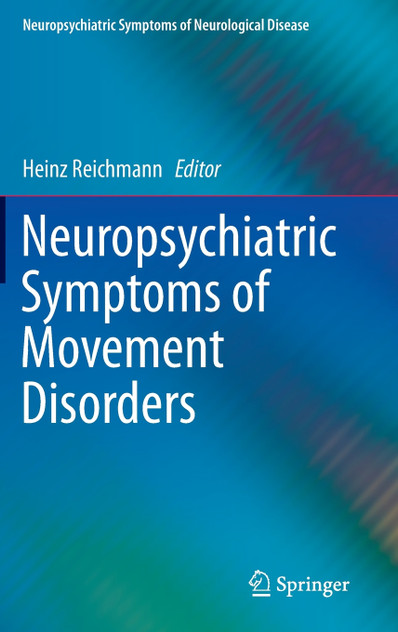
This is an up-to-date, comprehensive review of the neuropsychiatry of patients with movement disorders, i.e. Parkinson's disease, Huntington's disease, dystonia and others, by active authorities in...
The book is about medical symptoms, signs, investigations, and interpreting the findings of the investigations. The book also contains information about the management of the blood test findings and...
Discover your next great read at BookLoop, Australiand online bookstore offering a vast selection of titles across various genres and interests. Whether you're curious about what's trending or searching for graphic novels that captivate, thrilling crime and mystery fiction, or exhilarating action and adventure stories, our curated collections have something for every reader. Delve into imaginative fantasy worlds or explore the realms of science fiction that challenge the boundaries of reality. Fans of contemporary narratives will find compelling stories in our contemporary fiction section. Embark on epic journeys with our fantasy and science fiction titles,
Shop Trending Books and New Releases
Explore our new releases for the most recent additions in romance books, fantasy books, graphic novels, crime and mystery books, science fiction books as well as biographies, cookbooks, self help books, tarot cards, fortunetelling and much more. With titles covering current trends, booktok and bookstagram recommendations, and emerging authors, BookLoop remains your go-to local australian bookstore for buying books online across all book genres.
Shop Best Books By Collection
Stay updated with the literary world by browsing our trending books, featuring the latest bestsellers and critically acclaimed works. Explore titles from popular brands like Minecraft, Pokemon, Star Wars, Bluey, Lonely Planet, ABIA award winners, Peppa Pig, and our specialised collection of ADHD books. At BookLoop, we are committed to providing a diverse and enriching reading experience for all.
Sign In
your cart
Your cart is empty
Menu
Search
PRE-SALES
If you have any questions before making a purchase chat with our online operators to get more information.