Information flow as nerve impulses in neuronal circuits is regulated at synapses. The synapse is therefore a key element for information processing in the brain. Much attention has been given to fast synaptic transmission, which predominantly regulates impulse-to-impulse transmission. Slow synaptic transmission and modu lation, however, sometimes have been neglected in considering and attempting to understand brain function. Slow synaptic potentials and modulation occur with a considerable delay in response to the accumulation of synaptic and modulatory inputs. In these contexts, they are plastic in nature and play important roles in information processing in the brain. A symposium titled "Slow Synaptic Responses and Modulation" was held as the satellite symposium to the 75th Annual Meeting of the Physiological Society of Japan on March 30-31, 1998, in Kanazawa. The theme was selected not only for the reason mentioned above, but also because of the considerable involvement of many Japanese scholars in establishing the basic issues. Following the dawn of synaptic physiological research, as Sir John Eccles, Sir Bernard Katz, and Professor Stephen Kuffler carried out pioneer work, Professor Kyozou Koketsu and Professor Benjamin Libet, the students of Sir John Eccles, and their colleagues established the concept of slow synaptic responses and modulation by studying vertebrate sympathetic ganglia. Since then, the concept has been ex panded with detailed investigations of both peripheral and central synapses at the levels of single ion channels, intracellular Ca"+ dynamics, intracellular transduc tion mechanisms, and genes.
Information flow as nerve impulses in neuronal circuits is regulated at synapses. The synapse is therefore a key element for information processing in the brain. Much attention has been given to fast synaptic transmission, which predominantly regulates impulse-to-impulse transmission. Slow synaptic transmission and modu lation, however, sometimes have been neglected in considering and attempting to understand brain function. Slow synaptic potentials and modulation occur with a considerable delay in response to the accumulation of synaptic and modulatory inputs. In these contexts, they are plastic in nature and play important roles in information processing in the brain. A symposium titled "Slow Synaptic Responses and Modulation" was held as the satellite symposium to the 75th Annual Meeting of the Physiological Society of Japan on March 30-31, 1998, in Kanazawa. The theme was selected not only for the reason mentioned above, but also because of the considerable involvement of many Japanese scholars in establishing the basic issues. Following the dawn of synaptic physiological research, as Sir John Eccles, Sir Bernard Katz, and Professor Stephen Kuffler carried out pioneer work, Professor Kyozou Koketsu and Professor Benjamin Libet, the students of Sir John Eccles, and their colleagues established the concept of slow synaptic responses and modulation by studying vertebrate sympathetic ganglia. Since then, the concept has been ex panded with detailed investigations of both peripheral and central synapses at the levels of single ion channels, intracellular Ca"+ dynamics, intracellular transduc tion mechanisms, and genes.
In the first of three sections of this book, an overview of in vitro toxicology is provided. The molecular biology of cellular toxicity, receptor-mediated mechanisms, structure-activity ...
This book demonstrates that nutrients play a direct role as co-factors and regulators of the immune system. The book also shows that modulating the immune response with nutrients can provide a...
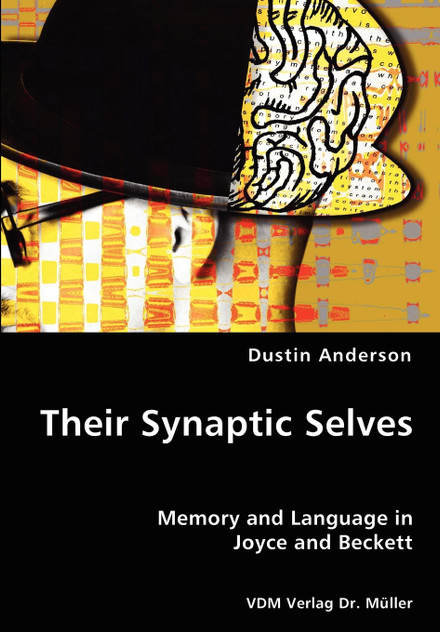
Memory is not a thing that we call upon, it is an event that we experience. Each time we speak, we do not access a memory, but create a new memory - we compose a new memory event. Our memory is a...
Discover your next great read at BookLoop, Australiand online bookstore offering a vast selection of titles across various genres and interests. Whether you're curious about what's trending or searching for graphic novels that captivate, thrilling crime and mystery fiction, or exhilarating action and adventure stories, our curated collections have something for every reader. Delve into imaginative fantasy worlds or explore the realms of science fiction that challenge the boundaries of reality. Fans of contemporary narratives will find compelling stories in our contemporary fiction section. Embark on epic journeys with our fantasy and science fiction titles,
Shop Trending Books and New Releases
Explore our new releases for the most recent additions in romance books, fantasy books, graphic novels, crime and mystery books, science fiction books as well as biographies, cookbooks, self help books, tarot cards, fortunetelling and much more. With titles covering current trends, booktok and bookstagram recommendations, and emerging authors, BookLoop remains your go-to local australian bookstore for buying books online across all book genres.
Shop Best Books By Collection
Stay updated with the literary world by browsing our trending books, featuring the latest bestsellers and critically acclaimed works. Explore titles from popular brands like Minecraft, Pokemon, Star Wars, Bluey, Lonely Planet, ABIA award winners, Peppa Pig, and our specialised collection of ADHD books. At BookLoop, we are committed to providing a diverse and enriching reading experience for all.
Sign In
your cart
Your cart is empty
Menu
Search
PRE-SALES
If you have any questions before making a purchase chat with our online operators to get more information.