This volume addresses the topic of self-injurious behavior (SIB) in per sons with developmental disabilities. Among professionals and the lay public alike, there is little debate over the seriousness of self-injury, its detrimental effects, and the need for therapeutic intervention. At the same time, there are divergent views concerning its etiology and treat ment. Understanding the causes of self-injury, for example, requires an analysis of biological factors, socioenvironmental variables, communica tion competencies, and in complex clinical cases, the interrelationships among these influences. There is also uncertainty with regard to the function of self-injury. Put simply, why would people willingly inflict injury upon themselves? Finally, although there is little disagreement about the necessity to intervene for self-injury, clinicians do not make uniform therapeutic recommendations, and, in fact, considerable dif ferences in treatment selection are common. This fact is most apparent when one considers the ongoing controversy with regard to aversive and nonaversive programming. Our premise for this volume is that a greater understanding of self injurious behavior is dependent upon an empirical research base. Theories of causality must be conceptually valid and capable of being evaluated objectively. Treatment must be functionally determined, operationalized, and replicable across personnel and settings. For these reasons, we have assembled chapters by individuals who are experi enced clinicians and researchers in the fields of psychology, medicine, psychiatry, education, psychopharmacology, and developmental dis abilities.
This volume addresses the topic of self-injurious behavior (SIB) in per sons with developmental disabilities. Among professionals and the lay public alike, there is little debate over the seriousness of self-injury, its detrimental effects, and the need for therapeutic intervention. At the same time, there are divergent views concerning its etiology and treat ment. Understanding the causes of self-injury, for example, requires an analysis of biological factors, socioenvironmental variables, communica tion competencies, and in complex clinical cases, the interrelationships among these influences. There is also uncertainty with regard to the function of self-injury. Put simply, why would people willingly inflict injury upon themselves? Finally, although there is little disagreement about the necessity to intervene for self-injury, clinicians do not make uniform therapeutic recommendations, and, in fact, considerable dif ferences in treatment selection are common. This fact is most apparent when one considers the ongoing controversy with regard to aversive and nonaversive programming. Our premise for this volume is that a greater understanding of self injurious behavior is dependent upon an empirical research base. Theories of causality must be conceptually valid and capable of being evaluated objectively. Treatment must be functionally determined, operationalized, and replicable across personnel and settings. For these reasons, we have assembled chapters by individuals who are experi enced clinicians and researchers in the fields of psychology, medicine, psychiatry, education, psychopharmacology, and developmental dis abilities.
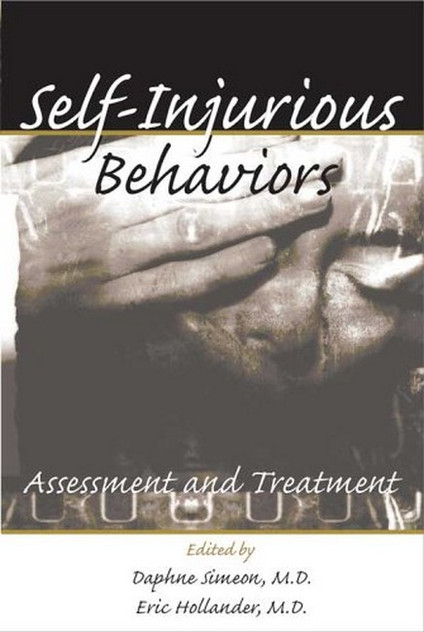
Throughout history, people have invented many different ways to inflict direct and deliberate physical injury on themselves -- without an intent to die. Even today, the concept and practice of...
Throughout history, people have invented many different ways to inflict direct and deliberate physical injury on themselves -- without an intent to die. Even today, the concept and practice of...
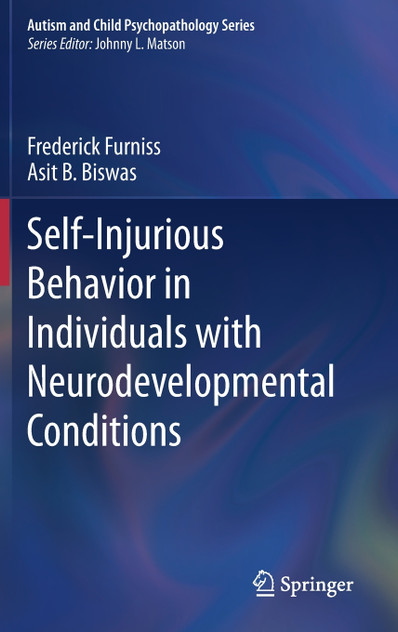
This book addresses self-injurious behavior (SIB) in individuals with various neurodevelopmental conditions (NDCs). It takes a cross-NDC perspective that synthesizes recent research on variability in...
With contributions from top experts in research and treatment, this book provides a comprehensive analysis of self-injurious behavior (SIB) in people with Autism Spectrum Disorder (ASD) or related...
Discover your next great read at BookLoop, Australiand online bookstore offering a vast selection of titles across various genres and interests. Whether you're curious about what's trending or searching for graphic novels that captivate, thrilling crime and mystery fiction, or exhilarating action and adventure stories, our curated collections have something for every reader. Delve into imaginative fantasy worlds or explore the realms of science fiction that challenge the boundaries of reality. Fans of contemporary narratives will find compelling stories in our contemporary fiction section. Embark on epic journeys with our fantasy and science fiction titles,
Shop Trending Books and New Releases
Explore our new releases for the most recent additions in romance books, fantasy books, graphic novels, crime and mystery books, science fiction books as well as biographies, cookbooks, self help books, tarot cards, fortunetelling and much more. With titles covering current trends, booktok and bookstagram recommendations, and emerging authors, BookLoop remains your go-to local australian bookstore for buying books online across all book genres.
Shop Best Books By Collection
Stay updated with the literary world by browsing our trending books, featuring the latest bestsellers and critically acclaimed works. Explore titles from popular brands like Minecraft, Pokemon, Star Wars, Bluey, Lonely Planet, ABIA award winners, Peppa Pig, and our specialised collection of ADHD books. At BookLoop, we are committed to providing a diverse and enriching reading experience for all.
Sign In
your cart
Your cart is empty
Menu
Search
PRE-SALES
If you have any questions before making a purchase chat with our online operators to get more information.