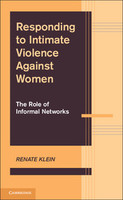

Family members, friends, coworkers and neighbors are often the first to know that a woman has been abused by an intimate male partner. What is the proper course of action for those with knowledge of abuse? Using a wide range of empirical data from international sources, Renate Klein documents informal third parties as the first port of call, sources of support and interference, and gatekeepers to formal services. Family and social network members disrupt ongoing assaults, respond to disclosures of abuse and provide solace and practical help. These networks do not always side with victims, however, and may either sympathize with or actively support perpetrators. Klein illuminates the complexities of these contingent situations. Her analysis highlights the potential of informal third parties for effective intervention, demonstrating their significant role in promoting societies free from rape and domestic violence.
This book addresses the Business Against Domestic Violence (BADV) project launched by the Corporate Governance Forum of Turkey (CGFT), a research center at Sabanci University School of Management...
Against Violence Against Women is a journey through time and across the globe to bring to light the roots of sanctioned violence against women. Rona M. Fields utilizes an interdisciplinary approach...
Violence against women permeates our society at every level, in every setting. Murder, rape, intimidation, pornography, workplace harassment, incest are all part of a general belief built into the...