Trending Bestseller

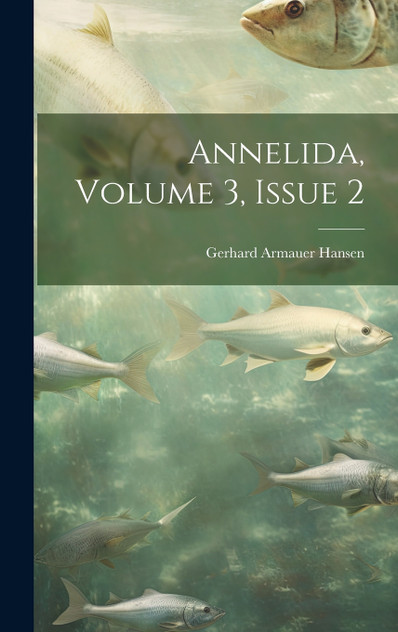
Reproduction and Development in Annelida

T. J. Pandian

No reviews yet Write a Review
Hardback
04 February 2019
$449.00
Ships in 5–7 business days
Hurry up! Current stock:

This book is a concise informative elucidation of all aspects of reproduction and development in annelids covering from arenicola to tubifex. Annelids flourish between 4,900 m depth to 2,000 m altitude; some of them occur in unusual habitats like hydrothermal vents and subterranean aquatic system (stigobionts). A few have no gut and acquire adequate nutrients through osmotrophism and/or engaging symbiotic microbes. In the absence of exoskeleton to escape predation, the 17,000 speciose annelids have explored bewildering modes of reproduction; not surprisingly, 42-47% of them are brooders. With 13,000 species, polychaetes are gonochores but some 207 species of them are hermaphrodites. Clitellates are all hermaphrodites; of them, 76 species are parthenogens, of which 56 are earthworms.

Regenerative potency of annelids ranges from an organ to an entire worm from a single 'seminal' segment. The head, tail and both together can be regenerated 21, 42 and 20 times, respectively. However, the potency is limited to ~1% of polychaetes and < 2% of oligochaetes. In oligochaetes, the chloragogue temporally separates regeneration and reproduction but sedentary polychaetes undertake them together at the reduced reproductive output. Only 79 polychaete and 111 oligochaete species have the potency for clonal reproduction. Within families, the potency ranges from 2% in spionids to 54% in naidids. Epitoky, a spectacular and unique phenomenon, involves the transformation from benthic to meroplanktonic reproductive morphism. It occurs in 106 errant polychaete species. The larger glycerides, nereidids and eunicids use muscular energy to climb < 50 m vertical distance. But the small phyllodocids and cteniodrilids may reduce buoyancy to climb 1,000-4,000 m vertical distance.

Heterogamatic sex determination is reported to occur only in six polychaete species, although karyotype is known for 83 annelid species. In temperate polychaetes, a dozen neuroendocrines, arising mostly from the 'brain' regulates reproductive cycle. A complete chapter devoted to vermiculture, (i) recognizes the fast-growing candidate species, (ii) distinguishes 'layers' from 'brooders', (iii) indicates that the harvest of oligochaetes may reduce the input of nitrogenous fertilizer in the ricefield, and (iv) explores the scope for increasing wealth from waste.

This product hasn't received any reviews yet. Be the first to review this product!

$449.00
Ships in 5–7 business days
Hurry up! Current stock:

Reproduction and Development in Annelida

$449.00

Description

This book is a concise informative elucidation of all aspects of reproduction and development in annelids covering from arenicola to tubifex. Annelids flourish between 4,900 m depth to 2,000 m altitude; some of them occur in unusual habitats like hydrothermal vents and subterranean aquatic system (stigobionts). A few have no gut and acquire adequate nutrients through osmotrophism and/or engaging symbiotic microbes. In the absence of exoskeleton to escape predation, the 17,000 speciose annelids have explored bewildering modes of reproduction; not surprisingly, 42-47% of them are brooders. With 13,000 species, polychaetes are gonochores but some 207 species of them are hermaphrodites. Clitellates are all hermaphrodites; of them, 76 species are parthenogens, of which 56 are earthworms.

Regenerative potency of annelids ranges from an organ to an entire worm from a single 'seminal' segment. The head, tail and both together can be regenerated 21, 42 and 20 times, respectively. However, the potency is limited to ~1% of polychaetes and < 2% of oligochaetes. In oligochaetes, the chloragogue temporally separates regeneration and reproduction but sedentary polychaetes undertake them together at the reduced reproductive output. Only 79 polychaete and 111 oligochaete species have the potency for clonal reproduction. Within families, the potency ranges from 2% in spionids to 54% in naidids. Epitoky, a spectacular and unique phenomenon, involves the transformation from benthic to meroplanktonic reproductive morphism. It occurs in 106 errant polychaete species. The larger glycerides, nereidids and eunicids use muscular energy to climb < 50 m vertical distance. But the small phyllodocids and cteniodrilids may reduce buoyancy to climb 1,000-4,000 m vertical distance.

Heterogamatic sex determination is reported to occur only in six polychaete species, although karyotype is known for 83 annelid species. In temperate polychaetes, a dozen neuroendocrines, arising mostly from the 'brain' regulates reproductive cycle. A complete chapter devoted to vermiculture, (i) recognizes the fast-growing candidate species, (ii) distinguishes 'layers' from 'brooders', (iii) indicates that the harvest of oligochaetes may reduce the input of nitrogenous fertilizer in the ricefield, and (iv) explores the scope for increasing wealth from waste.

Customers Also Viewed

Buy Books Online at BookLoop

Discover your next great read at BookLoop, Australiand online bookstore offering a vast selection of titles across various genres and interests. Whether you're curious about what's trending or searching for graphic novels that captivate, thrilling crime and mystery fiction, or exhilarating action and adventure stories, our curated collections have something for every reader. Delve into imaginative fantasy worlds or explore the realms of science fiction that challenge the boundaries of reality. Fans of contemporary narratives will find compelling stories in our contemporary fiction section. Embark on epic journeys with our fantasy and science fiction titles,

Shop Trending Books and New Releases

Explore our new releases for the most recent additions in romance books, fantasy books, graphic novels, crime and mystery books, science fiction books as well as biographies, cookbooks, self help books, tarot cards, fortunetelling and much more. With titles covering current trends, booktok and bookstagram recommendations, and emerging authors, BookLoop remains your go-to local australian bookstore for buying books online across all book genres.

Shop Best Books By Collection

Stay updated with the literary world by browsing our trending books, featuring the latest bestsellers and critically acclaimed works. Explore titles from popular brands like Minecraft, Pokemon, Star Wars, Bluey, Lonely Planet, ABIA award winners, Peppa Pig, and our specialised collection of ADHD books. At BookLoop, we are committed to providing a diverse and enriching reading experience for all.