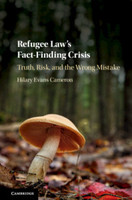
At a time when many around the world are fleeing their homes, seeking refugee protection has become a game of chance. Partly to blame is the law that governs how refugee status decision-makers resolve their doubts. This long-neglected branch of refugee law has been growing in the dark, with little guidance from the Refugee Convention and little attention from scholars. By looking closely at the Canadian jurisprudence, Hilary Evans Cameron provides the first full account of what this law is trying to accomplish in a refugee hearing. She demonstrates how a hole in the law's normative foundations is contributing to the dysfunction of one of the world's most respected refugee determination systems, and may well be undermining refugee protection across the globe. The author uses her findings to propose a new legal model of refugee status decision-making.
How should we respond to the worst refugee crisis since the World War II? What are our duties towards refugees, and how should we distribute these duties among those at the receiving end of the...
Seminar paper from the year 2019 in the subject Politics - Topic: European Union, grade: 1,7, University of Applied Sciences Essen, language: English, abstract: The problem of this term paper is the...
Acknowledgements - Notes on the Contributors - INTRODUCTION: NEEDS AND RESPONSES - The Nature of the Crisis and the Academic Response; V.Robinson - GETTING IN: POLICY AND PRACTICE - The Official View...
The Syrian war, the 21st century's most protracted and second-deadliest conflict, has driven 5.6 million refugees and 6.6 million internally displaced into flight. As the civil war draws to a close,...