Visualinformationsystemsareinformationsystemsforvisualcomputing.Visual computing is computing on visual objects. Some visual objects such as images are inherently visual in the sense that their primary representation is the visual representation.Somevisualobjectssuchasdatastructuresarederivativelyvisual in the sense that their primary representation is not the visual representation, but can be transformed into a visual representation. Images and data structures are the two extremes. Other visual objects such as maps may fall somewhere in between the two. Visual computing often involves the transformation from one type of visual objects into another type of visual objects, or into the same type of visual objects, to accomplish certain objectives such as information reduction, object recognition, and so on. In visual information systems design it is also important to ask the foll- ing question: who performs the visual computing? The answer to this question determines the approach to visual computing. For instance it is possible that primarily the computer performs the visual computing and the human merely observes the results. It is also possible that primarily the human performs the visual computing and the computer plays a supporting role. Often the human and the computer are both involved as equal partners in visual computing and there are visual interactions. Formal or informal visual languages are usually needed to facilitate such visual interactions.
Visualinformationsystemsareinformationsystemsforvisualcomputing.Visual computing is computing on visual objects. Some visual objects such as images are inherently visual in the sense that their primary representation is the visual representation.Somevisualobjectssuchasdatastructuresarederivativelyvisual in the sense that their primary representation is not the visual representation, but can be transformed into a visual representation. Images and data structures are the two extremes. Other visual objects such as maps may fall somewhere in between the two. Visual computing often involves the transformation from one type of visual objects into another type of visual objects, or into the same type of visual objects, to accomplish certain objectives such as information reduction, object recognition, and so on. In visual information systems design it is also important to ask the foll- ing question: who performs the visual computing? The answer to this question determines the approach to visual computing. For instance it is possible that primarily the computer performs the visual computing and the human merely observes the results. It is also possible that primarily the human performs the visual computing and the computer plays a supporting role. Often the human and the computer are both involved as equal partners in visual computing and there are visual interactions. Formal or informal visual languages are usually needed to facilitate such visual interactions.
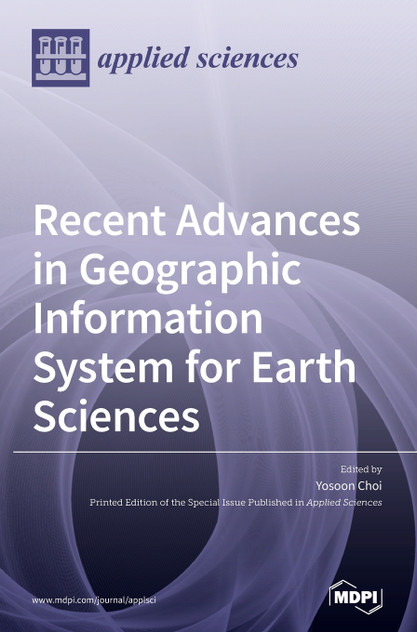
Geographic information systems (GISs) have played a vital role in Earth sciences by providing a powerful means of observing the world and various tools for solving complex problems. The scientific...
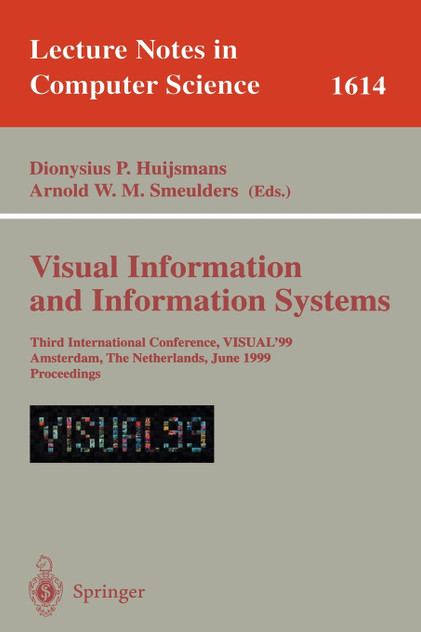
This book constitutes the refereed proceedings of the Third International Conference on Visual Information Systems, VISUAL'99, held in Amsterdam, The Netherlands, in June 1999.The 100 revised papers ...
This book is a thoroughly arranged anthology outlining the state of the art in the emerging area of visual informationsystems. The chapters presented are a selection of thoroughly refereed and...
Video segmentation is the most fundamental process for appropriate index ing and retrieval of video intervals. In general, video streams are composed 1 of shots delimited by physical shot boundaries...
Discover your next great read at BookLoop, Australiand online bookstore offering a vast selection of titles across various genres and interests. Whether you're curious about what's trending or searching for graphic novels that captivate, thrilling crime and mystery fiction, or exhilarating action and adventure stories, our curated collections have something for every reader. Delve into imaginative fantasy worlds or explore the realms of science fiction that challenge the boundaries of reality. Fans of contemporary narratives will find compelling stories in our contemporary fiction section. Embark on epic journeys with our fantasy and science fiction titles,
Shop Trending Books and New Releases
Explore our new releases for the most recent additions in romance books, fantasy books, graphic novels, crime and mystery books, science fiction books as well as biographies, cookbooks, self help books, tarot cards, fortunetelling and much more. With titles covering current trends, booktok and bookstagram recommendations, and emerging authors, BookLoop remains your go-to local australian bookstore for buying books online across all book genres.
Shop Best Books By Collection
Stay updated with the literary world by browsing our trending books, featuring the latest bestsellers and critically acclaimed works. Explore titles from popular brands like Minecraft, Pokemon, Star Wars, Bluey, Lonely Planet, ABIA award winners, Peppa Pig, and our specialised collection of ADHD books. At BookLoop, we are committed to providing a diverse and enriching reading experience for all.
Sign In
your cart
Your cart is empty
Menu
Search
PRE-SALES
If you have any questions before making a purchase chat with our online operators to get more information.