Oxygen (O ) appeared in significant amounts in the Earth's atmosphere over 2. 2 2 billion years ago, largely due to the evolution of photosynthesis by cyanobacteria (Halliwell 2006). The O molecule is a free radical, as it has two impaired electrons 2 that have the same spin quantum number. This spin restriction makes O prefer to 2 accept its electrons one at a time, leading to the generation of the so-called reactive oxygen species (ROS). The chemical nature of these species dictates that they can create damage in cells. This has contributed to the creation of the "oxidative stress" concept; in this view, ROS are unavoidable toxic products of O metabolism and 2 aerobic organisms have evolved antioxidant defences to protect against this tox- ity (Halliwell 1981; Fridovich 1998). Indeed, even in present-day plants, which are full of antioxidants, much of the protein synthetic activity of chloroplasts is used to replace oxidatively damaged D1 and other proteins (Halliwell 2006). Yet, the use of the "oxidative stress" term implies that ROS exert their effects through indiscriminate widespread inactivation of cellular functions. In this context, ROS must not be able to react with lipids, proteins or nucleic acids in order to avoid any damage to vital cellular components. However, genetic evidence has suggested that, in planta, purely physicoche- cal damage may be more limited than previously thought (Foyer and Noctor 2005).
Oxygen (O ) appeared in significant amounts in the Earth's atmosphere over 2. 2 2 billion years ago, largely due to the evolution of photosynthesis by cyanobacteria (Halliwell 2006). The O molecule is a free radical, as it has two impaired electrons 2 that have the same spin quantum number. This spin restriction makes O prefer to 2 accept its electrons one at a time, leading to the generation of the so-called reactive oxygen species (ROS). The chemical nature of these species dictates that they can create damage in cells. This has contributed to the creation of the "oxidative stress" concept; in this view, ROS are unavoidable toxic products of O metabolism and 2 aerobic organisms have evolved antioxidant defences to protect against this tox- ity (Halliwell 1981; Fridovich 1998). Indeed, even in present-day plants, which are full of antioxidants, much of the protein synthetic activity of chloroplasts is used to replace oxidatively damaged D1 and other proteins (Halliwell 2006). Yet, the use of the "oxidative stress" term implies that ROS exert their effects through indiscriminate widespread inactivation of cellular functions. In this context, ROS must not be able to react with lipids, proteins or nucleic acids in order to avoid any damage to vital cellular components. However, genetic evidence has suggested that, in planta, purely physicoche- cal damage may be more limited than previously thought (Foyer and Noctor 2005).
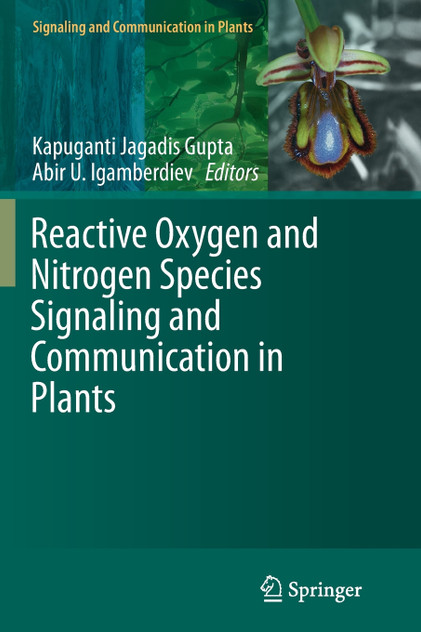
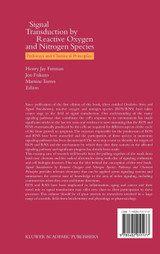
This book reviews the current state of information on reactive oxygen and nitrogen species and their role in cell communication during plant growth, development and adaptation to stress conditions.It...
Reactive oxygen species (ROS) are produced during the interaction of metabolism with oxygen. As ROS have the potential to cause oxidative damage by reacting with biomolecules, research on ROS has...
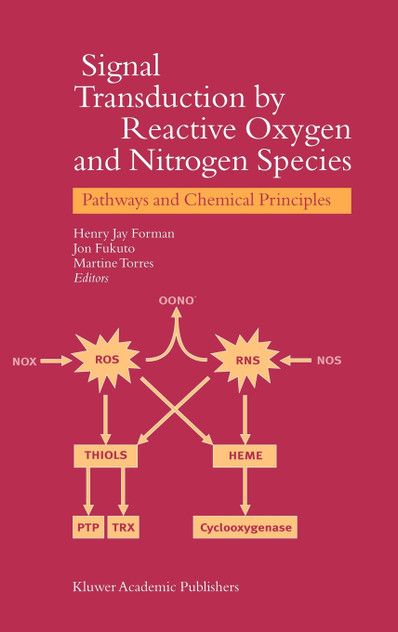
Henry Jay Forman, Jon Fukuto and Martine Torres "Research is to see what everybody else has seen and to think what nobody else has thought. " -- Albert Szent-Gyorgyi Several years ago, one of us put...
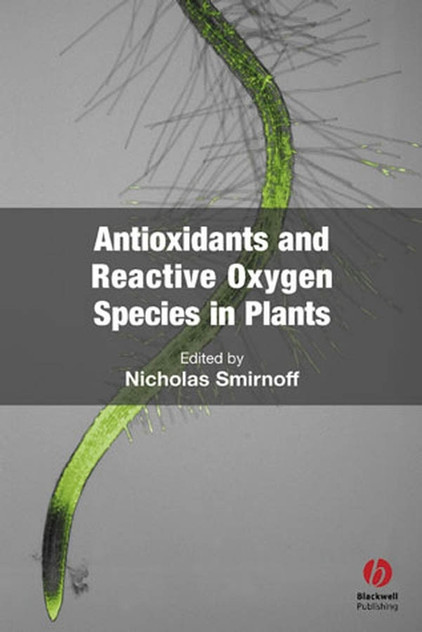
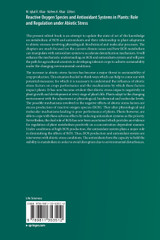
The present edited book is an attempt to update the state of art of the knowledge on metabolism of ROS and antioxidants and their relationship in plant adaptation to abiotic stresses involving...
Discover your next great read at BookLoop, Australiand online bookstore offering a vast selection of titles across various genres and interests. Whether you're curious about what's trending or searching for graphic novels that captivate, thrilling crime and mystery fiction, or exhilarating action and adventure stories, our curated collections have something for every reader. Delve into imaginative fantasy worlds or explore the realms of science fiction that challenge the boundaries of reality. Fans of contemporary narratives will find compelling stories in our contemporary fiction section. Embark on epic journeys with our fantasy and science fiction titles,
Shop Trending Books and New Releases
Explore our new releases for the most recent additions in romance books, fantasy books, graphic novels, crime and mystery books, science fiction books as well as biographies, cookbooks, self help books, tarot cards, fortunetelling and much more. With titles covering current trends, booktok and bookstagram recommendations, and emerging authors, BookLoop remains your go-to local australian bookstore for buying books online across all book genres.
Shop Best Books By Collection
Stay updated with the literary world by browsing our trending books, featuring the latest bestsellers and critically acclaimed works. Explore titles from popular brands like Minecraft, Pokemon, Star Wars, Bluey, Lonely Planet, ABIA award winners, Peppa Pig, and our specialised collection of ADHD books. At BookLoop, we are committed to providing a diverse and enriching reading experience for all.
Sign In
your cart
Your cart is empty
Menu
Search
PRE-SALES
If you have any questions before making a purchase chat with our online operators to get more information.