Trending Bestseller

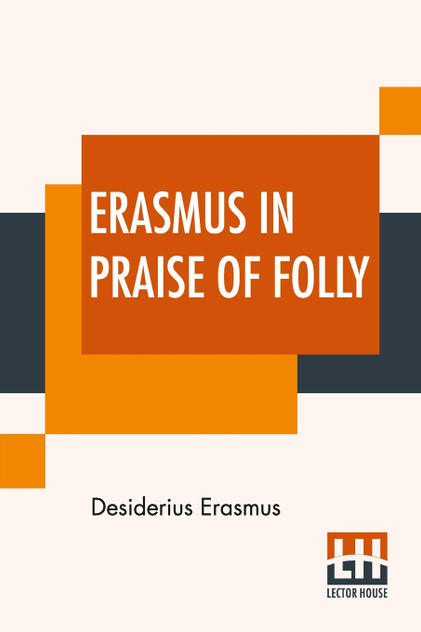
Praise of Folly

No reviews yet Write a Review
Paperback / softback
31-March-1994
256 Pages
$23.00
Ships in 5–7 business days
Hurry up! Current stock:
A satirical, witty text from the greatest humanist of the Renaissance
Erasmus of Rotterdam (c. 1466-1536) is one of the greatest figures of the Renaissance humanist movement, which abandoned medieval pieties in favour of a rich new vision of the individual's potential. Praise of Folly, written to amuse his friend Sir Thomas More, is Erasmus's best-known work. Its dazzling mixture of fantasy and satire is narrated by a personification of Folly, dressed as a jester, who celebrates youth, pleasure, drunkenness and sexual desire, and goes on to lambast human pretensions, foibles and frailties, to mock theologians and monks and to praise the 'folly' of simple Christian piety. Erasmus's wit, wordplay and wisdom made the book an instant success, but it also attracted what may have been sales-boosting criticism. The Letter to Maarten van Dorp, which is a defence of his ideas and methods, is also included.

This product hasn't received any reviews yet. Be the first to review this product!

$23.00
Ships in 5–7 business days
Hurry up! Current stock:

Praise of Folly

$23.00

Description

A satirical, witty text from the greatest humanist of the Renaissance
Erasmus of Rotterdam (c. 1466-1536) is one of the greatest figures of the Renaissance humanist movement, which abandoned medieval pieties in favour of a rich new vision of the individual's potential. Praise of Folly, written to amuse his friend Sir Thomas More, is Erasmus's best-known work. Its dazzling mixture of fantasy and satire is narrated by a personification of Folly, dressed as a jester, who celebrates youth, pleasure, drunkenness and sexual desire, and goes on to lambast human pretensions, foibles and frailties, to mock theologians and monks and to praise the 'folly' of simple Christian piety. Erasmus's wit, wordplay and wisdom made the book an instant success, but it also attracted what may have been sales-boosting criticism. The Letter to Maarten van Dorp, which is a defence of his ideas and methods, is also included.

Customers Also Viewed