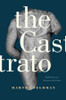
This book explores the fascinating life of the most documented musician of the seventeenth century. Born in 1626 into a bourgeois family in Pistoia, Italy, Atto Melani was castrated to preserve his singing voice and soon rose to both artistic and social prominence. His extant letters not only depict the musical activities of several European centers, they reveal the real-life context of music and the musician: how a singer related to patrons and colleagues, what he thought about his profession, and the role music played in his life. Whether Atto was singing, spying, having sex, composing, or even rejecting his art, his life illustrates how music-making was always also a negotiation for power. Providing a rare glimpse of the social and political contexts of seventeenth-century music, Roger Freitas sheds light on the mechanisms that generated meaning for music, clarifying what music at this time actually was.
The Castrato is a nuanced exploration of why innumerable boys were castrated for singing between the mid-sixteenth and late-nineteenth centuries. It shows that the entire foundation of Western...
As a child, Uccello is discovered to have a truly magnificent singing voice. It is decided that he will become a professional singer but at what cost? As the story unfolds, the reader uncovers the...
L'opera narra, in una prospettiva scientifica e giuridica, del fatto di cronaca realmente accaduto in Italia nel 2010. Per questo efferato delitto di una tredicenne, nei primi due gradi di giudizio,...
Laurie Lewis worked for the Independent as chief arts photographer for many years The book is a personal record of the photographers favourite portraits Major UK publicity and marketing campaign