Michael D. Hurley and Michael O'Neill offer a perceptive and illuminating look into poetic form, a topic that has come back into prominence in recent years. Building on this renewed interest in form, Hurley and O'Neill provide an accessible and comprehensive introduction that will be of help to undergraduates and more advanced readers of poetry alike. The book sees form as neither ornamenting nor mimicking content, but as shaping and animating it, encouraging readers to cultivate techniques to read poems as poems. Lively and wide-ranging, engaging with poems as aesthetic experiences, the book includes a long chapter on the elements of form that throws new light on troubling terms such as rhythm and metre, as well as a detailed introduction and accessible, stimulating chapters on lyric, the sonnet, elegy, soliloquy, dramatic monologue and ballad and narrative.
An Introduction to Poetic Forms offers specimen discussions of poems through the lens of form. While each of its chapters does provide a standard definition of the form in question in its opening...
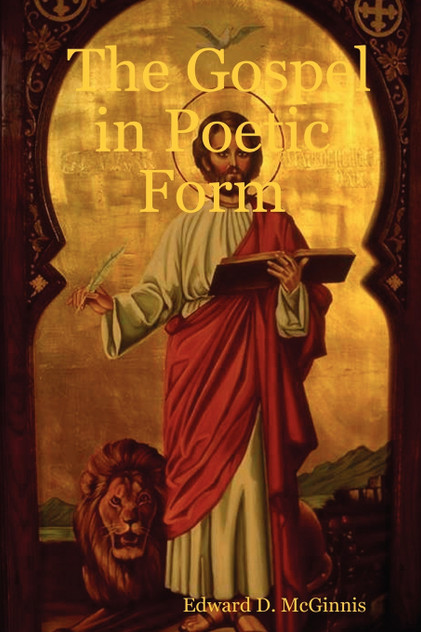
Edward Deane McGinnis was inspired by God to write poems portraying Jesus Christ's teachings, miracles, His Suffering, Crucifixion, Death, Burial, and Resurrection, yet there is something else here...