An authoritative introduction for graduate students in the physical sciences, this award-winning textbook explains the wide variety of physical, chemical, and geological processes that govern the motions and properties of planets. This updated second edition has been revised and improved while maintaining its existing structure and organization. Many data tables and plots have been updated to account for the latest measurements. A new Appendix focuses on recent discoveries since the second edition was first published. These include results from Cassini, Kepler, MESSENGER, MRO, LRO, Dawn at Vesta, Curiosity, and others, as well as many ground-based observatories. With over 300 exercises to help students apply the concepts covered, this textbook is ideal for graduate courses in astronomy, planetary science and earth science, and well suited as a reference for researchers. Color versions of many figures, movie clips supplementing the text, and other resources are available at www.cambridge.org/depater.
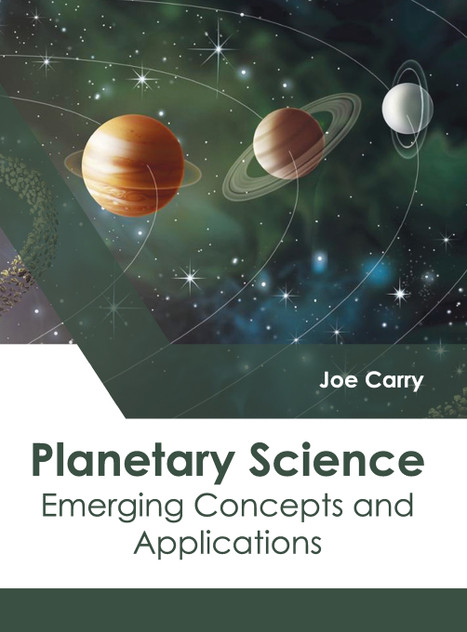
This book traces the progress of planetary science and highlights some of its key concepts and applications. Celestial bodies like planets, moons, gas giants, micrometeoroids, etc. are extensively...
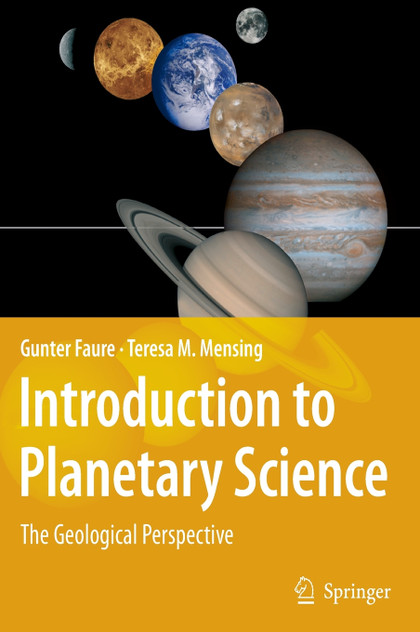
This textbook details basic principles of planetary science that help to unify the study of the solar system. It is organized in a hierarchical manner so that every chapter builds upon preceding ...
Earth and planetary science refers to that field of science which deals with the scientific study of the planets, moons and other celestial bodies, particularly in our solar system. Its objective is...