During World War II, Germany occupied much of continental Europe. Although the social and political history of this occupation has been studied extensively, the economics of the unprecedented transfer of resources has received surprisingly little attention. Allies, neutrals, and conquered nations under German hegemony were a vital source of supplies for Hitler's war machine. Without the war material, consumer goods and labor they provided, Germany would not have been able to wage a prolonged multi-front war. All of these countries suffered enormous losses, but each had a distinct experience that depended on Germany's wartime needs, whether they were allied, occupied or neutral, and their place in Nazi racial ideology. Paying for Hitler's War is a comparative economic study which explores these different experiences through case studies of twelve nations spanning the European continent.
Adolf Hitler is one among the finest leaders of the world. Is passion, Is ideology towards the feature of his country, which made him bold and strong. Youth should ideolize him of his love and...
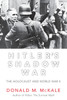
In Hitler's Shadow War, WWII scholar Donald McKale contends that Hitler's persecution and murder of the Jews, Slavs, and other groups was his primary effort during the war, not the conquest of Europe...