Poverty reduction has been a long-standing concern of all African countries since independence. This focus is also reflected in the policies of the international donor community, including the twin International Financial Institutions (IFIs) – the World Bank and the International Monetary Fund.This study examines, traces and maps the poverty reduction policies adopted by six countries in Eastern and Southern Africa since the mid-1990s with a view to highlighting differences and similarities. The first group of three countries – Tanzania, Uganda and Zambia – is made up of so-called Heavily Indebted Poor Countries (HIPCs), while the other three are non-HIPCs, comprising Botswana, Kenya and Namibia. Whereas the former are required to formulate Poverty Reduction Strategy Papers (PRSPs) under terms of reference set by the IFIs, the latter are at liberty to chart home-grown strategies. The study compares these two categories of countries in order to ascertain whether their poverty reduction strategies differ substantially or largely converge. It is found that despite differences of nuance there is a strong tendency towards convergence of approach and design. Since it is recognised that poverty is complex and multi-faceted, it follows that strategies pointing the way out of poverty must be comprehensive and multi-pronged, as reflected in the World Bank’s three-pronged strategy: promoting opportunity; facilitating empowerment; and enhancing security. An epistemic community seems to have emerged, at least among the political and economic elites of Eastern and Southern Africa, by and large embracing the precepts of the IFIs. Specifically, the study reviews through six country-specific chapters the different anti-poverty strategies adopted by the selected HIPCs and non-HIPCs to assess implementation arrangements in terms of priority; linkages to budgets; and monitoring and evaluation systems. It also attempts in some measure to document the main economic, social and political factors influencing poverty generation and/or reduction since the mid-1990s, and, finally, to review poverty indicators and changes in the state of poverty over the same period. The concluding chapter undertakes a comparative analysis of the six country-based strategies.
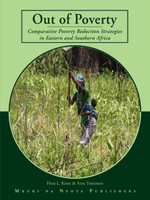
Out of Poverty. Comparative Poverty Reduction Strategies in Eastern and Southern Africa
RRP:
$100.00
Description
Poverty reduction has been a long-standing concern of all African countries since independence. This focus is also reflected in the policies of the international donor community, including the twin International Financial Institutions (IFIs) – the World Bank and the International Monetary Fund.This study examines, traces and maps the poverty reduction policies adopted by six countries in Eastern and Southern Africa since the mid-1990s with a view to highlighting differences and similarities. The first group of three countries – Tanzania, Uganda and Zambia – is made up of so-called Heavily Indebted Poor Countries (HIPCs), while the other three are non-HIPCs, comprising Botswana, Kenya and Namibia. Whereas the former are required to formulate Poverty Reduction Strategy Papers (PRSPs) under terms of reference set by the IFIs, the latter are at liberty to chart home-grown strategies. The study compares these two categories of countries in order to ascertain whether their poverty reduction strategies differ substantially or largely converge. It is found that despite differences of nuance there is a strong tendency towards convergence of approach and design. Since it is recognised that poverty is complex and multi-faceted, it follows that strategies pointing the way out of poverty must be comprehensive and multi-pronged, as reflected in the World Bank’s three-pronged strategy: promoting opportunity; facilitating empowerment; and enhancing security. An epistemic community seems to have emerged, at least among the political and economic elites of Eastern and Southern Africa, by and large embracing the precepts of the IFIs. Specifically, the study reviews through six country-specific chapters the different anti-poverty strategies adopted by the selected HIPCs and non-HIPCs to assess implementation arrangements in terms of priority; linkages to budgets; and monitoring and evaluation systems. It also attempts in some measure to document the main economic, social and political factors influencing poverty generation and/or reduction since the mid-1990s, and, finally, to review poverty indicators and changes in the state of poverty over the same period. The concluding chapter undertakes a comparative analysis of the six country-based strategies.
The Migration Dialogue for Southern Africa (MIDSA) aims to facilitate regional dialogue and cooperation on migration policy issues amongst the governments of the Southern African Development...
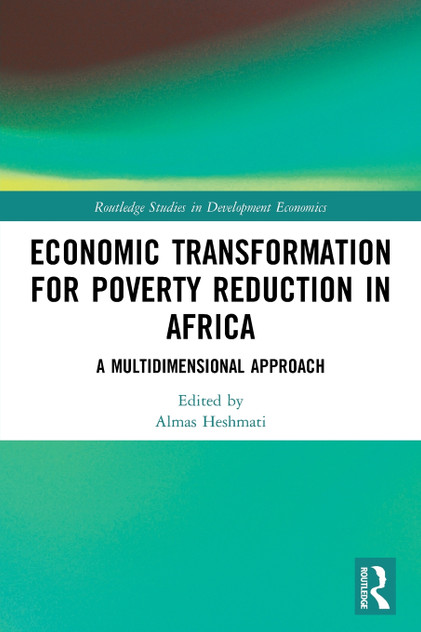
This book is an edited volume which contains empirical studies on determinants of poverty and its reduction in Africa. It looks at multidimensional measures of poverty, production and...
The World Bank and the International Monetary Fund (IMF) launched a joint initiative at the end of 1999, stating that they intended to set the fight against poverty at the heart of their development...
Discover your next great read at BookLoop, Australiand online bookstore offering a vast selection of titles across various genres and interests. Whether you're curious about what's trending or searching for graphic novels that captivate, thrilling crime and mystery fiction, or exhilarating action and adventure stories, our curated collections have something for every reader. Delve into imaginative fantasy worlds or explore the realms of science fiction that challenge the boundaries of reality. Fans of contemporary narratives will find compelling stories in our contemporary fiction section. Embark on epic journeys with our fantasy and science fiction titles,
Shop Trending Books and New Releases
Explore our new releases for the most recent additions in romance books, fantasy books, graphic novels, crime and mystery books, science fiction books as well as biographies, cookbooks, self help books, tarot cards, fortunetelling and much more. With titles covering current trends, booktok and bookstagram recommendations, and emerging authors, BookLoop remains your go-to local australian bookstore for buying books online across all book genres.
Shop Best Books By Collection
Stay updated with the literary world by browsing our trending books, featuring the latest bestsellers and critically acclaimed works. Explore titles from popular brands like Minecraft, Pokemon, Star Wars, Bluey, Lonely Planet, ABIA award winners, Peppa Pig, and our specialised collection of ADHD books. At BookLoop, we are committed to providing a diverse and enriching reading experience for all.
Sign In
your cart
Your cart is empty
Menu
Search
PRE-SALES
If you have any questions before making a purchase chat with our online operators to get more information.