The organizational dynamics of non-governmental organizations (NGOs) have become increasingly complex as they have evolved from small local groups into sophisticated multinational organizations with global networks. Alnoor Ebrahim's study analyses the organizational evolution of NGOs as a result of their increased profile as bilateral partners in delivering aid. Focusing on the relationships between NGOs and their international network of funders, it examines not only the tensions created by the reporting requirement of funders, but also the strategies of resistance employed by NGOs. Ebrahim shows that systems of reporting, monitoring, and learning play essential roles in shaping not only what NGOs do but, more importantly, how they think about what they do. The book combines original case studies and research with an extensive review of literature. It draws from multiple fields including organizational behaviour, social and critical theory, civil society studies, and environmental and natural resource management.
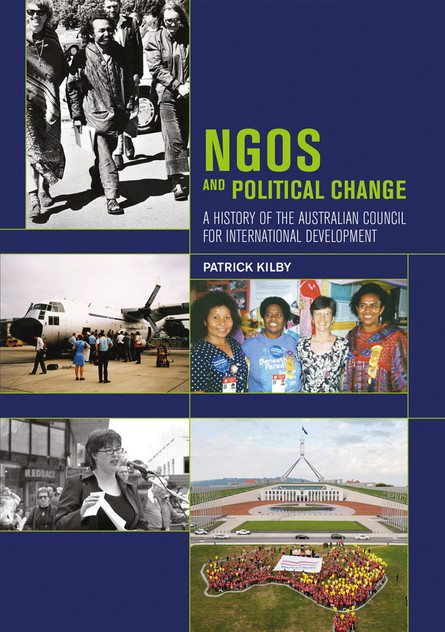
The Australian Council for International Development is the peak body of Australian international development NGOs. This book explores ACFID's history since its founding in 1965, drawing on current...
This book suggests that our notions of civil society have undergone radical changes-including structural changes in the nature of Civil Society Organizations (CSOs) and Non-Governmental Organizations...
Although various factors contribute to failed change, one of the key reasons for change failure is the inability of leaders to gain the trust of employees, to understand the interaction between their...
This book examines the central role media and communication play in the activities of Non-Governmental Organizations (NGOs) around the globe, how NGOs communicate with key publics, engage...