
Trending Bestseller

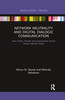
Network Neutrality and Digital Dialogic Communication

No reviews yet Write a Review
Paperback / softback
30 June 2020
140 Pages
RRP: $52.99
$52.00
Hurry up! Current stock:
In the months after the Federal Communications Commission’s (FCC) 2017 decision to repeal network neutrality as US policy, it is easy to forget the decades of public, organizational, media and governmental struggle to control digital policy and open access to the internet. Using dialogic communication tactics, the public, governmental actors and organizations impacted the ruling through YouTube comments, the FCC online system and social network communities. Network neutrality, which requires that all digital sites can be accessed with equal speed and ability, is an important example of how dialogic communication facilitates public engagement in policy debates. However, the practice and ability of the public, organizations and media to engage in dialogic communication are also greatly impacted by the FCC’s decision. This book reflects on decades of global engagement in the network neutrality debate and the evolution of dialogic communication techniques used to shape one of the most relevant and critical digital policies in history.

You Can Find This Book In

    Book Details
    ISBN-13
    9780367606787
    Author
    Alison N. Novak
    Publisher
    Taylor & Francis
    Published
    30 June 2020
    Format
    Paperback / softback
    Pages
    140

    This product hasn't received any reviews yet. Be the first to review this product!

    RRP: $52.99
    $52.00
    Hurry up! Current stock:

    Network Neutrality and Digital Dialogic Communication

    RRP: $52.99
    $52.00

    Description

    In the months after the Federal Communications Commission’s (FCC) 2017 decision to repeal network neutrality as US policy, it is easy to forget the decades of public, organizational, media and governmental struggle to control digital policy and open access to the internet. Using dialogic communication tactics, the public, governmental actors and organizations impacted the ruling through YouTube comments, the FCC online system and social network communities. Network neutrality, which requires that all digital sites can be accessed with equal speed and ability, is an important example of how dialogic communication facilitates public engagement in policy debates. However, the practice and ability of the public, organizations and media to engage in dialogic communication are also greatly impacted by the FCC’s decision. This book reflects on decades of global engagement in the network neutrality debate and the evolution of dialogic communication techniques used to shape one of the most relevant and critical digital policies in history.

    You Can Find This Book In

      This Book Is Categorised As