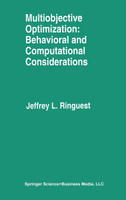
1. Introduction.- 1.1 Multiple-Objective Optimization.- 1.2 Dominance And Efficiency.- 1.3 Multiattribute Value And Utility Theory.- 1.4 Functional Forms And Independence Conditions.- 1.5 Value Functions As Compared To Utility Functions.- 1.6 Optimizing The Multiattribute Utility Or Value Function.- 1.7 References.- 1.8 Other Relevant Readings.- 2. Linear Goal Programming.- 2.1 The Goal Programming Model.- 2.2 Aspiration Levels.- 2.3 Weights.- 2.4 Preemptive Priorities.- 2.5 Multiattribute Value Theory.- 2.6 Specifying The Weights In An Additive Value Function.- 2.7 Sensitivity Analysis.- 2.8 References.- 2.9 Other Relevant Readings.- 3. Generalizing Goal Programming.- 3.1 Linear Goal Programming.- 3.2 Piecewise Linear Approximations Of Single Attribute Value Functions.- 3.3 Goal Programming With A Multiplicative Value Function.- 3.4 Nonlinear Goal Programming.- 3.5 References.- 4. Compromise Programming.- 4.1 Ideal Solutions.- 4.2 Compromise Functions.- 4.3 Compromise Solutions And The Compromise Set.- 4.4 The Anti-Ideal And Compromise Programming.- 4.5 The Method Of The Displaced Ideal.- 4.6 Compromise Programming, Linear Goal Programming, And Multiattribute Value Functions.- 4.7 References.- 5. Decision Making and the Efficient Set.- 5.1 The Efficient Set.- 5.2 Intra-Set Point Generation.- 5.3 Filtering.- 5.4 Clustering.- 5.5 Matching And Grouping.- 5.6 Sectioning.- 5.7 A Stochastic Screening Approach.- 5.8 References.- 5.9 Other Relevant Readings.- 6. Interactive Methods.- 6.1 The General Interactive Approach.- 6.2 Examples Of Interactive Methods.- 6.3 Simplified Interactive Multiple Objective Linear Programming (SIMOLP).- 6.4 Interactive Multiobjective Complex Search.- 6.5 Choosing An Interactive Method.- 6.6 References.- 7. Computational Efficiency and Problems with Special Structure.- 7.1 Network Flow Problems.- 7.2 Multiple Objective Network Flow ProbLems.- 7.3 A Network Specialization Of A Multiobjective Simplex Algorithm.- 7.4 Compromise Solutions For The Multiobjective Network Flow Problem.- 7.5 Interactive Methods For The Multiobjective Network Flow Problem.- 7.6 References.- 8. Computational Efficiency and Linear Problems of General Structure.- 8.1 Computational Efficiency And The Ideal Solution.- 8.2 Test Problems.- 8.3 Computer Codes.- 8.4 Results.- 8.5 Other Computational Studies.- 8.6 References.- 9. Using Multiobjective Linear Programming to Reconcile Preferences Over Time.- 9.1 Preferences Over Time.- 9.2 The Behavioral Properties Of NPV.- 9.3 A More General NPV Model.- 9.4 Using Multiobjective Linear Programming As An Alternative To NPV.- 9.5 The Advantages Of Using Multiobjective Linear Programming For Reconciling Preferences Over Time.- 9.6 References.- 10. Data Presentation and Multiobjective Optimization.- 10.1 Data Representation And The Axioms Of Utility Theory.- 10.2 The Framing Of Decisions.- 10.3 Reconciling The Decision Frame.- 10.4 Perception Of The Ideal.- 10.5 References.
1. Introduction.- 1.1 Multiple-Objective Optimization.- 1.2 Dominance And Efficiency.- 1.3 Multiattribute Value And Utility Theory.- 1.4 Functional Forms And Independence Conditions.- 1.5 Value Functions As Compared To Utility Functions.- 1.6 Optimizing The Multiattribute Utility Or Value Function.- 1.7 References.- 1.8 Other Relevant Readings.- 2. Linear Goal Programming.- 2.1 The Goal Programming Model.- 2.2 Aspiration Levels.- 2.3 Weights.- 2.4 Preemptive Priorities.- 2.5 Multiattribute Value Theory.- 2.6 Specifying The Weights In An Additive Value Function.- 2.7 Sensitivity Analysis.- 2.8 References.- 2.9 Other Relevant Readings.- 3. Generalizing Goal Programming.- 3.1 Linear Goal Programming.- 3.2 Piecewise Linear Approximations Of Single Attribute Value Functions.- 3.3 Goal Programming With A Multiplicative Value Function.- 3.4 Nonlinear Goal Programming.- 3.5 References.- 4. Compromise Programming.- 4.1 Ideal Solutions.- 4.2 Compromise Functions.- 4.3 Compromise Solutions And The Compromise Set.- 4.4 The Anti-Ideal And Compromise Programming.- 4.5 The Method Of The Displaced Ideal.- 4.6 Compromise Programming, Linear Goal Programming, And Multiattribute Value Functions.- 4.7 References.- 5. Decision Making and the Efficient Set.- 5.1 The Efficient Set.- 5.2 Intra-Set Point Generation.- 5.3 Filtering.- 5.4 Clustering.- 5.5 Matching And Grouping.- 5.6 Sectioning.- 5.7 A Stochastic Screening Approach.- 5.8 References.- 5.9 Other Relevant Readings.- 6. Interactive Methods.- 6.1 The General Interactive Approach.- 6.2 Examples Of Interactive Methods.- 6.3 Simplified Interactive Multiple Objective Linear Programming (SIMOLP).- 6.4 Interactive Multiobjective Complex Search.- 6.5 Choosing An Interactive Method.- 6.6 References.- 7. Computational Efficiency and Problems with Special Structure.- 7.1 Network Flow Problems.- 7.2 Multiple Objective Network Flow ProbLems.- 7.3 A Network Specialization Of A Multiobjective Simplex Algorithm.- 7.4 Compromise Solutions For The Multiobjective Network Flow Problem.- 7.5 Interactive Methods For The Multiobjective Network Flow Problem.- 7.6 References.- 8. Computational Efficiency and Linear Problems of General Structure.- 8.1 Computational Efficiency And The Ideal Solution.- 8.2 Test Problems.- 8.3 Computer Codes.- 8.4 Results.- 8.5 Other Computational Studies.- 8.6 References.- 9. Using Multiobjective Linear Programming to Reconcile Preferences Over Time.- 9.1 Preferences Over Time.- 9.2 The Behavioral Properties Of NPV.- 9.3 A More General NPV Model.- 9.4 Using Multiobjective Linear Programming As An Alternative To NPV.- 9.5 The Advantages Of Using Multiobjective Linear Programming For Reconciling Preferences Over Time.- 9.6 References.- 10. Data Presentation and Multiobjective Optimization.- 10.1 Data Representation And The Axioms Of Utility Theory.- 10.2 The Framing Of Decisions.- 10.3 Reconciling The Decision Frame.- 10.4 Perception Of The Ideal.- 10.5 References.
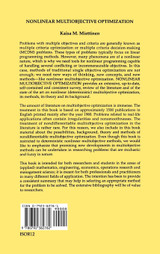
Problems with multiple objectives and criteria are generally known as multiple criteria optimization or multiple criteria decision-making (MCDM) problems. So far, these types of problems have ...
The main characteristics of the real-world decision-making problems facing humans today are multidimensional and have multiple objectives including eco nomic, environmental, social, and technical...
Theory.- Theoretical Basics of Multiobjective Optimization.- Scalarization Approaches.- Sensitivity Results for the Scalarizations.- Numerical Methods and Results.- Adaptive Parameter Control.-...
Multi-Objective Control of Time-Discrete Systems and Dynamic Games on Networks.- Max-Min Control Problems and Solving Zero-Sum Games on Networks.- Extension and Generalization of Discrete Control...
Discover your next great read at BookLoop, Australiand online bookstore offering a vast selection of titles across various genres and interests. Whether you're curious about what's trending or searching for graphic novels that captivate, thrilling crime and mystery fiction, or exhilarating action and adventure stories, our curated collections have something for every reader. Delve into imaginative fantasy worlds or explore the realms of science fiction that challenge the boundaries of reality. Fans of contemporary narratives will find compelling stories in our contemporary fiction section. Embark on epic journeys with our fantasy and science fiction titles,
Shop Trending Books and New Releases
Explore our new releases for the most recent additions in romance books, fantasy books, graphic novels, crime and mystery books, science fiction books as well as biographies, cookbooks, self help books, tarot cards, fortunetelling and much more. With titles covering current trends, booktok and bookstagram recommendations, and emerging authors, BookLoop remains your go-to local australian bookstore for buying books online across all book genres.
Shop Best Books By Collection
Stay updated with the literary world by browsing our trending books, featuring the latest bestsellers and critically acclaimed works. Explore titles from popular brands like Minecraft, Pokemon, Star Wars, Bluey, Lonely Planet, ABIA award winners, Peppa Pig, and our specialised collection of ADHD books. At BookLoop, we are committed to providing a diverse and enriching reading experience for all.
Sign In
your cart
Your cart is empty
Menu
Search
PRE-SALES
If you have any questions before making a purchase chat with our online operators to get more information.