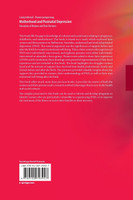
Globally, postnatal depression (PND) is a growing public health problem. PND affects 10 to 15% of women in Western society. It caused by a combination of biological, psychological and social factors. Two models have attempted to define and explain PND; the biomedical and the sociological models. The traditional biomedical model views PND as a medical condition which implies there is individual pathology and abnormality. Whilst the biomedical model has been the dominant model in treating PND, it has been criticized by feminist sociologists and psychologists for its rigidity in defining and explaining PND. In contrast, the psychosocial model of health acknowledges the biological factors that impact on emotional well-being, but places more emphasis on the personal and social factors that impact on emotional well-being, but places more emphasis on the personal and social factors that contribute to depressive symptoms such as gender, poverty, social disadvantage and social class. The central argument throughout this book is the importance of support before and after the birth for women's emotional well-being. This book will also include women's journeys through pregnancy, childbirth, motherhood, postnatal depression, and resolution. To date, literature has focused on women's lived experiences of PND rather than their personal journeys through pregnancy, childbirth and early motherhood. Additionally, the adjustment to fatherhood has received less attention. For example, little is known about the impact of postnatal depression on the partner, what support partners offer when women with the intention to fill the gap in knowledge of cultural and social issues relating to pregnancy, childbirth, and motherhood for woman who were diagnosed with, and had resolved, PND.
Globally, postnatal depression (PND) is a growing public health problem. PND affects 10 to 15% of women in Western society. It caused by a combination of biological, psychological and social factors. Two models have attempted to define and explain PND; the biomedical and the sociological models. The traditional biomedical model views PND as a medical condition which implies there is individual pathology and abnormality. Whilst the biomedical model has been the dominant model in treating PND, it has been criticized by feminist sociologists and psychologists for its rigidity in defining and explaining PND. In contrast, the psychosocial model of health acknowledges the biological factors that impact on emotional well-being, but places more emphasis on the personal and social factors that impact on emotional well-being, but places more emphasis on the personal and social factors that contribute to depressive symptoms such as gender, poverty, social disadvantage and social class. The central argument throughout this book is the importance of support before and after the birth for women's emotional well-being. This book will also include women's journeys through pregnancy, childbirth, motherhood, postnatal depression, and resolution. To date, literature has focused on women's lived experiences of PND rather than their personal journeys through pregnancy, childbirth and early motherhood. Additionally, the adjustment to fatherhood has received less attention. For example, little is known about the impact of postnatal depression on the partner, what support partners offer when women with the intention to fill the gap in knowledge of cultural and social issues relating to pregnancy, childbirth, and motherhood for woman who were diagnosed with, and had resolved, PND.
When mothers feel depressed in the months after childbirth, their feelings have often been dismissed as understandable reactions to the stress of caring for a new baby, perhaps complicated by family...
This study is ethnography of postnatal experiences of South Asian migrant women in Perth, WA examining cultural differences relating to mothering and arguing that the South Asian culture in which...
Discover your next great read at BookLoop, Australiand online bookstore offering a vast selection of titles across various genres and interests. Whether you're curious about what's trending or searching for graphic novels that captivate, thrilling crime and mystery fiction, or exhilarating action and adventure stories, our curated collections have something for every reader. Delve into imaginative fantasy worlds or explore the realms of science fiction that challenge the boundaries of reality. Fans of contemporary narratives will find compelling stories in our contemporary fiction section. Embark on epic journeys with our fantasy and science fiction titles,
Shop Trending Books and New Releases
Explore our new releases for the most recent additions in romance books, fantasy books, graphic novels, crime and mystery books, science fiction books as well as biographies, cookbooks, self help books, tarot cards, fortunetelling and much more. With titles covering current trends, booktok and bookstagram recommendations, and emerging authors, BookLoop remains your go-to local australian bookstore for buying books online across all book genres.
Shop Best Books By Collection
Stay updated with the literary world by browsing our trending books, featuring the latest bestsellers and critically acclaimed works. Explore titles from popular brands like Minecraft, Pokemon, Star Wars, Bluey, Lonely Planet, ABIA award winners, Peppa Pig, and our specialised collection of ADHD books. At BookLoop, we are committed to providing a diverse and enriching reading experience for all.
Sign In
your cart
Your cart is empty
Menu
Search
PRE-SALES
If you have any questions before making a purchase chat with our online operators to get more information.