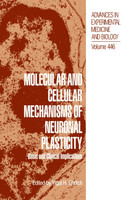
Numerous studies have proven the biological basis of memory formation and have begun to identify the biochemical traces and cellular circuits that are formed by experience, and which participate int the storage of information in the brain, its retention for long durations, and its retrieval upon demand. Cells in the nervous system have the capability of undergoing extremely long-lasting alterations in response to hormonal, pharmacological, and environmental stimulations. The mechanisms underlying this neuronal plasticity are activated by experiential inputs and operate in the process of learning and the formation of memories in the brain. This volume presents research areas which have not been highlighted in the past. In addition to studies on the involement of functional proteins in neuronal adaptation, this volume presents recent developments on the critical roles of bioactive lipids and nucleotides in these processes. In addition to the widely studied role of second messengers, a review of studies on extracellular phosphorylation systems operating on the surface of brain neurons is presented.The first section of the volume presents studies of basic mechanisms operating in a wide range of adaptive processes. The second section presents recent advances in investigations that have demonstrated the clinical implications of this research. These include: state of the art use of transgenic models in studies of molecular and cellular mechanisms implicated in familial Alzheimer's disease and Amyotrophic Lateral Sclerosis; studies of specific proteins implicated in Alzheimer's disease, including an adapter that binds to the beta-amyloid precurser protein (beta-APP) and the microtubular protein Tau and its membrane-bound counterpart. The advantages of using cell culture models for elucidating the causes of neuronal degeneration and for identifying mechanisms of neuroprotection are also presented among the chapters in the section on clinical implications.
Molecular and Cellular Mechanisms of Neuronal Plasticity
RRP:
$335.00
Description
Numerous studies have proven the biological basis of memory formation and have begun to identify the biochemical traces and cellular circuits that are formed by experience, and which participate int the storage of information in the brain, its retention for long durations, and its retrieval upon demand. Cells in the nervous system have the capability of undergoing extremely long-lasting alterations in response to hormonal, pharmacological, and environmental stimulations. The mechanisms underlying this neuronal plasticity are activated by experiential inputs and operate in the process of learning and the formation of memories in the brain. This volume presents research areas which have not been highlighted in the past. In addition to studies on the involement of functional proteins in neuronal adaptation, this volume presents recent developments on the critical roles of bioactive lipids and nucleotides in these processes. In addition to the widely studied role of second messengers, a review of studies on extracellular phosphorylation systems operating on the surface of brain neurons is presented.The first section of the volume presents studies of basic mechanisms operating in a wide range of adaptive processes. The second section presents recent advances in investigations that have demonstrated the clinical implications of this research. These include: state of the art use of transgenic models in studies of molecular and cellular mechanisms implicated in familial Alzheimer's disease and Amyotrophic Lateral Sclerosis; studies of specific proteins implicated in Alzheimer's disease, including an adapter that binds to the beta-amyloid precurser protein (beta-APP) and the microtubular protein Tau and its membrane-bound counterpart. The advantages of using cell culture models for elucidating the causes of neuronal degeneration and for identifying mechanisms of neuroprotection are also presented among the chapters in the section on clinical implications.
Cellular and Molecular Control of Neuronal Migration provides an up-to-date collection of reviews on the molecular and cellular principles of neuronal migration in the mammalian brain. Over the last...
The interaction of neurotransmitters, neuromodulators and neuroactive drugs with receptors localized at the cell surface initiates a chain of molecular events leading to integrated neuronal responses...
Hypertension is recognized to be one of the major risk factors for the development of peripheral vascular disease. The last decade has witnessed several major advances in therapy for hypertension,...
Discover your next great read at BookLoop, Australiand online bookstore offering a vast selection of titles across various genres and interests. Whether you're curious about what's trending or searching for graphic novels that captivate, thrilling crime and mystery fiction, or exhilarating action and adventure stories, our curated collections have something for every reader. Delve into imaginative fantasy worlds or explore the realms of science fiction that challenge the boundaries of reality. Fans of contemporary narratives will find compelling stories in our contemporary fiction section. Embark on epic journeys with our fantasy and science fiction titles,
Shop Trending Books and New Releases
Explore our new releases for the most recent additions in romance books, fantasy books, graphic novels, crime and mystery books, science fiction books as well as biographies, cookbooks, self help books, tarot cards, fortunetelling and much more. With titles covering current trends, booktok and bookstagram recommendations, and emerging authors, BookLoop remains your go-to local australian bookstore for buying books online across all book genres.
Shop Best Books By Collection
Stay updated with the literary world by browsing our trending books, featuring the latest bestsellers and critically acclaimed works. Explore titles from popular brands like Minecraft, Pokemon, Star Wars, Bluey, Lonely Planet, ABIA award winners, Peppa Pig, and our specialised collection of ADHD books. At BookLoop, we are committed to providing a diverse and enriching reading experience for all.
Sign In
your cart
Your cart is empty
Menu
Search
PRE-SALES
If you have any questions before making a purchase chat with our online operators to get more information.